
Most of us expect water to be invisible, odorless, and something we never have to think about. It’s one of the few things in our homes that quietly does its job day after day. But when you turn on the faucet and notice an unusual smell, it’s hard to ignore. Suddenly, making coffee, washing dishes, or taking a shower feels a little less enjoyable, and naturally, questions start popping up.
The encouraging part is that strange-smelling water doesn’t always point to a major problem. In many cases, it’s simply a sign that something has changed in your water source, plumbing system, or treatment process. Understanding those possibilities is the first step toward restoring confidence in the water your family uses every day.
Water Is Constantly Changing
Many homeowners assume the water coming from their taps remains exactly the same throughout the year. In reality, that’s rarely the case.
Rainfall, seasonal temperatures, groundwater movement, municipal treatment adjustments, and even nearby construction projects can all influence the characteristics of household water. Sometimes those changes are barely noticeable. Other times, they affect taste, odor, or appearance enough for homeowners to recognize something is different.
These variations are normal, but persistent changes deserve attention rather than assumptions.
Why Odors Develop in Household Water
Water itself doesn’t usually have a strong smell. Most odors develop because of naturally occurring compounds, minerals, bacteria, or reactions inside plumbing systems.
Related reading: The Quiet Truth About Your Tap Water (And Why It’s Worth Understanding)
Sometimes the smell appears only when hot water is running, suggesting the water heater may be involved. Other times, every faucet produces the same odor, pointing toward the incoming water supply instead.
Understanding where the smell occurs often provides valuable clues before any testing even begins.
A Common Cause Is Hydrogen Sulfide
One of the most frequently reported causes of unpleasant water odors is hydrogen sulfide, a naturally occurring gas that can dissolve into groundwater.
Many people recognize it immediately because it creates the familiar “rotten egg” smell. While the odor can certainly be unpleasant, low concentrations don’t automatically indicate unsafe drinking water. However, it can affect taste, cooking, beverages, and the overall enjoyment of using water throughout the home.
Hydrogen sulfide occurs more frequently in groundwater sources than municipal surface water, making it especially common in rural areas.
The important thing is determining whether it truly is the source before choosing a treatment option.
Related reading: Small Changes, Better Water: Simple Ways to Improve Your Home’s Water
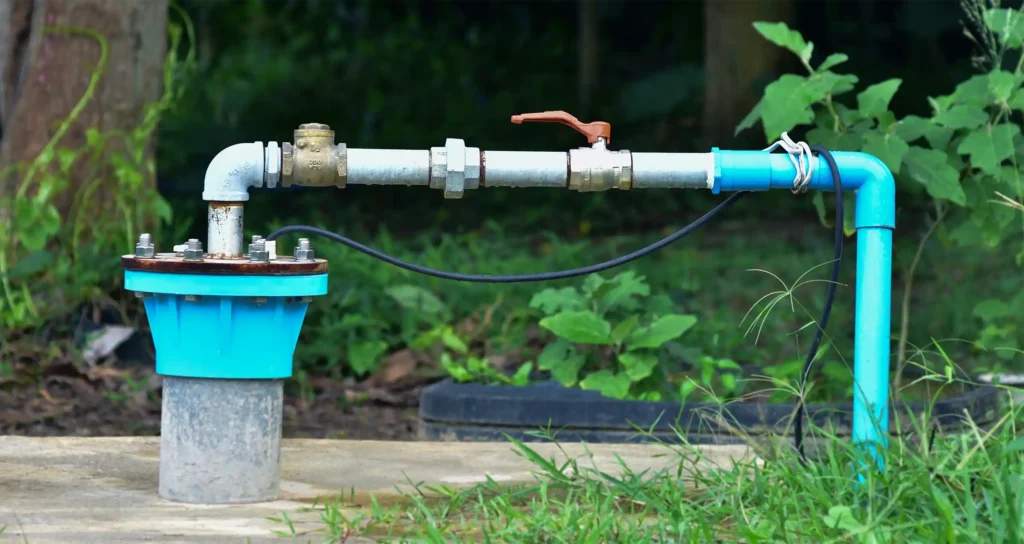
Private Homes Using Well Water Face Unique Challenges
Families relying on well water often experience different water conditions than homes connected to municipal systems.
Groundwater naturally changes over time as rainfall, surrounding geology, and seasonal conditions influence underground aquifers. Iron, manganese, sulfur compounds, sediment, and naturally occurring minerals may all vary from one location to another.
Unlike municipal supplies, private wells aren’t continuously monitored by public utilities, so homeowners are responsible for understanding and maintaining their own water quality.
That doesn’t mean well water is inferior. In fact, many wells provide excellent drinking water for decades with proper maintenance and periodic testing.
Sometimes the Plumbing Is Responsible
Not every unpleasant smell begins underground.
Older plumbing systems, stagnant water in unused pipes, bacterial growth inside drain traps, or sediment accumulating within water heaters can all create odors that resemble water supply problems.
Related reading: Better Water Starts With the Right Filtration and Regular Maintenance
One helpful observation is whether the smell appears at every faucet or only in one location.
If a single bathroom sink produces an odor while the kitchen faucet does not, the issue may be much closer than you think.
Simple troubleshooting often saves unnecessary expense later.
Why Water Testing Matters
When homeowners notice unusual smells, it’s tempting to search online for quick answers or purchase the first filtration system they find.
A much smarter approach begins with water testing.
Professional testing identifies important characteristics such as sulfur compounds, iron, manganese, hardness, pH balance, bacteria, sediment, and other naturally occurring substances that may influence both water quality and odor.
Related reading: Why the Right Water Treatment System Makes a Bigger Difference
Instead of relying on guesswork, testing provides clear information about what’s actually happening.
That knowledge helps homeowners choose targeted solutions rather than spending money on equipment that may not address the real issue.
Better Water Makes Everyday Life More Enjoyable
Once odor issues are resolved, many homeowners notice improvements reaching far beyond the kitchen sink.
Drinking water tastes fresher. Coffee and tea become more enjoyable. Cooking feels easier because ingredients aren’t competing with unpleasant flavors or smells.
Showers become more comfortable, guests stop commenting on unusual odors, and filling a reusable water bottle feels completely routine again.
It’s surprising how much confidence clean-smelling water adds to everyday life.
Related reading: Behind the Scenes of Big Water: How Businesses Keep Every Drop Working
Choosing the Right Solution Depends on the Cause
There’s no universal treatment for every water odor.
Some situations respond well to activated carbon filtration, while others require oxidation systems, aeration equipment, specialized filtration, or simple water heater maintenance. Homes experiencing sulfur odors may need an entirely different approach than those dealing with iron bacteria or plumbing-related issues.
That’s exactly why identifying the source first is so important.
The best treatment is always the one designed around your home’s specific water conditions.
Better Water Starts with Paying Attention
Water rarely changes without leaving clues.
An unusual smell, a slightly different taste, or subtle changes in everyday routines often provide the first indication that something deserves a closer look. Fortunately, most water issues can be identified and addressed once homeowners understand what they’re dealing with.
Instead of ignoring those early signs, think of them as helpful reminders to learn more about your home’s water.
With the right information and the proper treatment when needed, your water can once again become what it was always meant to be—something dependable, refreshing, and quietly supporting your family’s daily life without demanding a second thought.