
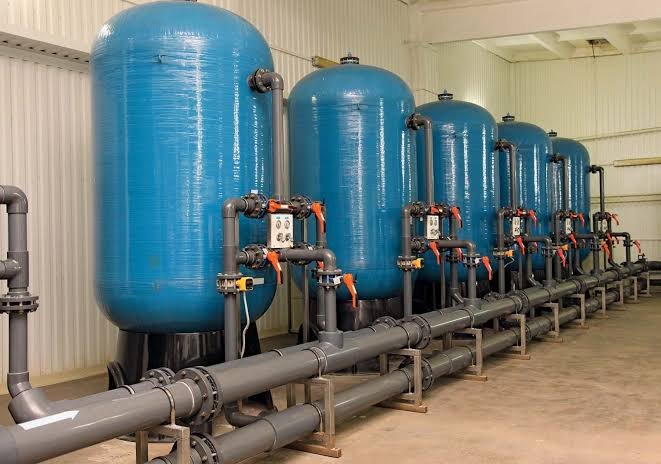
There’s something easy to take for granted about water: turn on the tap, fill a glass, and expect it to be clean. Most of us rarely stop to think about what happens between the water source and that glass. Yet water can pick up sediment, minerals, chlorine, unpleasant odors, and other contaminants along the way. That’s where a dependable filtration setup can make a real difference.
Choosing the right filtration system isn’t simply about buying a piece of equipment and forgetting about it. Water quality varies from one home to another, and even a well-designed system needs occasional attention. Understanding how filtration works, when components need servicing, and what your household actually needs can help you get cleaner, better-tasting water without unnecessary expense.
Why Water Filtration Matters at Home
Municipal water supplies are treated before they reach your property, but treatment at the source doesn’t necessarily mean every household will experience perfect water quality. Old plumbing, storage tanks, local water conditions, and naturally occurring minerals can all influence what comes out of your tap.
Private well water can have its own set of challenges. It may contain sediment, iron, manganese, sulfur-related odors, or excessive hardness. None of these issues should be addressed with a one-size-fits-all solution.
Related reading: Why the Right Water Treatment System Makes a Bigger Difference
A good starting point is to understand your water. Testing can reveal what’s actually present instead of relying on taste, smell, or cloudy appearance alone. That information makes it much easier to select appropriate treatment equipment.
How a Filtration System Works
Different filters are designed to deal with different problems. Sediment filters, for example, are useful for trapping particles such as sand, dirt, and rust. Activated carbon filters are commonly used to reduce chlorine, certain odors, and compounds that affect taste.
More advanced technologies can target specific contaminants. Depending on the water source and test results, a home may benefit from systems designed for hardness, dissolved solids, iron, or other unwanted substances.
This is why shopping based purely on a product label can be misleading. A filter that works beautifully in one home might do very little for another. The goal isn’t to install the most complicated equipment available. It’s to install equipment that matches the water problem.
Related reading: The Day Your Water Starts Working With You, Not Against You
The Maintenance Step People Often Forget
Even the best filtration equipment has a working life. Filters collect what they are designed to remove, and eventually they become less effective. That’s why maintenance matters just as much as installation.
A filter replacement may be needed at different intervals depending on water quality, household size, daily consumption, and the type of cartridge being used. Some filters last several months, while others may have a longer service interval.
Waiting until water tastes strange or pressure drops noticeably isn’t always the best approach. By then, a filter may already be overdue for attention.
Keeping a simple maintenance schedule helps. Mark the installation date on the filter housing or set a reminder on your phone. It’s a small habit, but it can prevent the classic “I completely forgot about that filter” situation.
Related reading: Making Better Water Part of Everyday Life at Home
Signs Your Water System Needs Attention
Your water can sometimes tell you when something isn’t right. Watch for changes such as:
- A sudden change in taste or odor
- Reduced water pressure at treated faucets
- Visible sediment or cloudiness
- Water discoloration
- Filters that look heavily loaded with debris
- Unusual noises or leaks around equipment
- A noticeable decline in filtration performance
These signs don’t automatically mean the entire system needs replacing. Often, a worn cartridge or routine service is enough.
Still, persistent problems deserve investigation. Replacing parts without identifying the underlying issue can turn into an expensive cycle of guesswork.
Filtration and Water Treatment Aren’t Always the Same Thing
The terms filtration and water treatment are often used interchangeably, but they can describe different approaches. Filtration generally refers to physically or chemically reducing particular substances from water. Treatment can be a broader term covering processes such as softening, disinfection, oxidation, reverse osmosis, or other methods.
Related reading: When Your Tap Water Isn’t Quite Right: A Practical Look at Reverse Osmosis at Home
For example, a sediment filter may remove visible particles but won’t necessarily solve hard water. Likewise, a carbon filter may improve taste and reduce chlorine while leaving dissolved minerals untouched.
That distinction matters when you’re deciding what your home actually needs. If the problem is hardness, a softener may be more appropriate. If the concern is a particular contaminant, a targeted filtration technology may make more sense.
Why Water Testing Should Come First
One of the smartest things a homeowner can do is test the water before investing in equipment.
A basic test can provide information about characteristics such as pH, hardness, iron, and other common concerns. More comprehensive testing may be appropriate when there are specific reasons to investigate additional contaminants.
Related reading: When Your Water Smells Different: Understanding the Hidden Causes Behind Unpleasant Odors
Testing is particularly important for private wells because water conditions can change over time. Nearby construction, agricultural activity, flooding, or changes in the groundwater environment can influence quality.
Once you know what you’re dealing with, choosing equipment becomes much less of a guessing game.
Don’t Ignore the Plumbing Around the Filter
A filtration unit doesn’t exist in isolation. It becomes part of your home’s plumbing network, so installation quality matters.
Poorly fitted connections can create leaks. Incorrect sizing can restrict flow. A filter that is too small for the household may require frequent replacement, while an unnecessarily large setup could add cost without providing meaningful benefits.
Professional installation can also help ensure that shutoff valves, bypass lines, drainage connections, and other components are arranged properly. It’s not glamorous work, admittedly, but good plumbing is often the difference between equipment that quietly does its job and equipment that becomes a recurring headache.
Making Your Water System Work Better for You
There’s no universal answer to better household water. The right approach depends on where your water comes from, what’s in it, how much your household uses, and which concerns matter most.
Start with testing. Match the technology to the actual water issue. Then maintain the equipment consistently instead of waiting for a problem to announce itself.
It’s also worth remembering that cleaner water isn’t only about drinking. Treated water can make everyday routines more pleasant, from cooking and making coffee to washing dishes and showering. When the system is properly selected and maintained, you may not even notice it most days — and honestly, that’s a good sign.
The best water setup is one that fits quietly into daily life, works reliably in the background, and continues doing its job because someone remembered to give it a little attention along the way. In the long run, that practical approach can save money, protect plumbing equipment, and make every glass of water feel a little better.