
Water is part of nearly everything we do at home. We use it to cook, wash clothes, take showers, clean dishes, and fill a glass when we’re thirsty. So when the water starts leaving white marks on the taps, develops an unusual taste, or makes cleaning feel like a never-ending chore, it’s hard not to notice. These problems might seem minor at first, but they can affect comfort, appliance upkeep, and confidence in the water you use every day.
The tricky part is figuring out what actually needs to change. Not every home needs a complicated filtration setup, and a product that works well for one household may be unnecessary for another. Water quality varies by location, source, plumbing, and the substances present in the supply. That means the best solution usually begins with a few questions, some reliable testing, and advice that takes your household’s needs seriously.
Start With the Water You Actually Have
Before choosing treatment equipment, take a closer look at the symptoms. White, chalky deposits around faucets and showerheads often point toward hard water, which contains elevated levels of calcium and magnesium. These minerals can build up on surfaces and inside appliances, making cleaning more difficult over time.
Other issues may have different causes. Water that looks rusty could be affected by iron or corrosion in plumbing. A noticeable taste or odor might be associated with disinfectants, naturally occurring substances, or another water-quality concern. Cloudiness can have several explanations, so appearance alone isn’t enough to identify the problem.
Testing provides a more dependable starting point. Depending on the water source and symptoms, useful tests may include hardness, pH, iron, manganese, dissolved solids, or specific contaminants. Private well owners may need additional testing based on local conditions and public-health recommendations.
If you’re unsure where to begin, your local water treatment experts can help explain which tests are relevant and what the results mean. Look for professionals who ask about your water source, household concerns, and existing plumbing before recommending equipment. A thoughtful assessment is more useful than a quick sales pitch for a product that may not address the real issue.
Understanding Water Softeners and Their Benefits
Hard water is a common frustration for homeowners. It can leave spots on glassware, create deposits on shower fixtures, and contribute to scale inside water heaters and other appliances. Soap may also behave differently in hard water, leaving residue that makes bathrooms and kitchens harder to keep clean.
A water softener is designed to reduce hardness minerals. Many conventional systems use an ion-exchange process in which calcium and magnesium are exchanged for sodium or potassium ions. When correctly selected and maintained, these systems can help reduce mineral scale and make routine cleaning less troublesome.
Still, softening isn’t the same as removing every unwanted substance from water. A softener generally isn’t designed to eliminate all chemicals, sediment, or microorganisms. If your water has several different issues, you may need more than one treatment method.
When exploring water softener sales, installation, and service, consider the system’s capacity, water hardness, daily household demand, and ongoing operating costs. Ask about salt consumption, regeneration settings, maintenance requirements, and the availability of replacement parts. A unit that is appropriately sized for your home is generally a better investment than one selected simply because it has the lowest price or the most impressive-looking specifications.
It’s also worth discussing how softened water will be used throughout the property. Some households prefer a separate arrangement for drinking water, particularly if they want to reduce sodium intake or preserve the taste of their existing supply. A qualified professional can explain suitable options based on your circumstances.
When Whole-Home Filtration Makes Sense
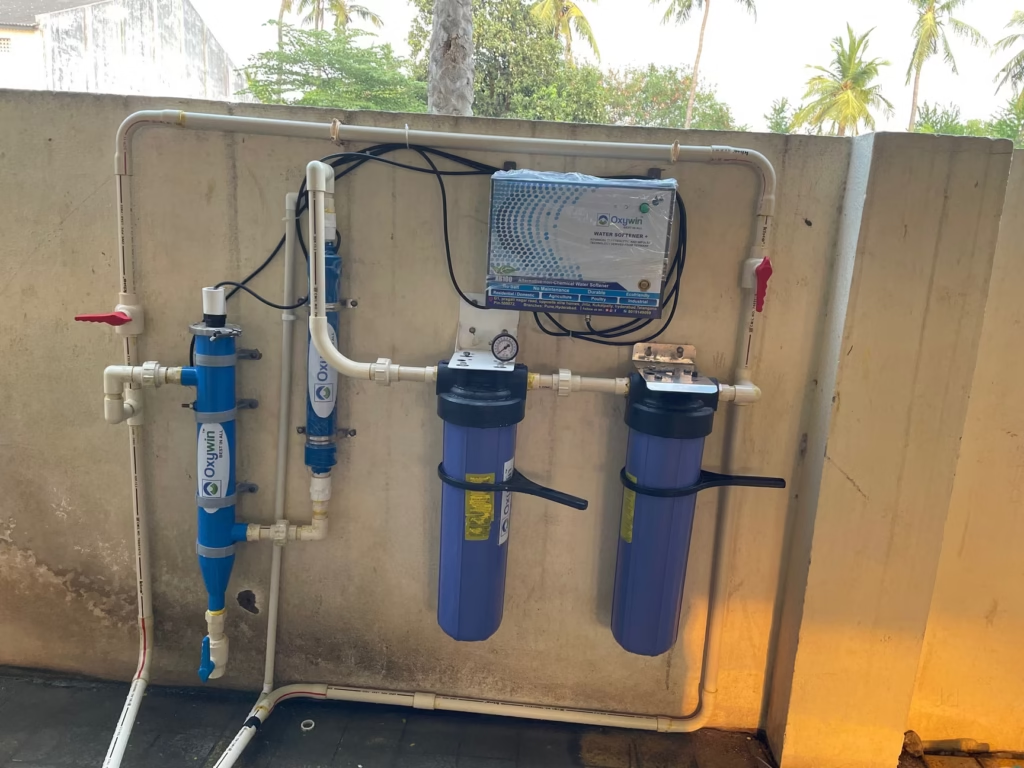
A water softener addresses hardness, but filtration serves a different purpose. Depending on the filter media and design, a filtration system may reduce sediment, chlorine taste and odor, or certain other substances. The important detail is that filters are not interchangeable: each system has specific capabilities and limitations.
Whole-home filtration systems are installed where water enters the property, allowing treated water to reach multiple outlets. This can be useful when the concern affects showers, laundry, kitchen taps, and other parts of the home rather than a single drinking-water faucet.
For example, a sediment filter may help capture particles that enter the plumbing, while an activated carbon filter can reduce chlorine taste and odor when designed for that purpose. Homes dealing with iron, sulfur odors, or other specialized water-quality problems may require different treatment equipment. Testing helps determine which approach is appropriate.
It’s important to review independent certifications and performance claims before buying. A filter that reduces one substance may have little effect on another, even if both are mentioned in general marketing language. Check how much water the system can treat, whether it can handle peak household demand, and how frequently its cartridges or media need replacement.
Whole-home equipment also requires space and proper plumbing connections. Before installation, confirm that the proposed location allows easy access for maintenance and that the system is compatible with your property’s water pressure and flow requirements.
Don’t Overlook Drinking Water Quality
Some homeowners are mainly concerned about the water they drink and use for cooking. In that case, a dedicated drinking-water filter may be more practical than treating the entire property. The right option depends on the identified concern, the existing supply, and the level of treatment needed.
Reverse osmosis systems, for instance, use a semipermeable membrane to reduce many dissolved substances. Other filters may be suitable for specific taste or odor concerns. Neither approach should be selected without checking what the system is actually certified to reduce.
If the water comes from a private well, follow local guidance on testing for microbial and chemical contaminants. If contamination is suspected, use a confirmed safe alternative for drinking and food preparation until the water has been assessed. An ordinary household filter should never be assumed to make unsafe water safe.
Installation and Maintenance Matter
Even the right treatment system can disappoint if it’s installed incorrectly or neglected afterward. Incorrect sizing, poor plumbing connections, unsuitable settings, and missed filter changes can all affect performance.
Before work begins, ask what the installation includes. Confirm whether plumbing modifications, drainage connections, startup testing, and an explanation of system operation are covered. It’s also helpful to understand the warranty and whether future service visits are available.
Once the equipment is running, follow the manufacturer’s maintenance schedule. Replace filters when required, replenish softener salt as directed, and watch for leaks or unexpected changes in taste, odor, and water pressure. If the original problem returns, arrange an inspection rather than assuming that another filter will automatically solve it.
Keep copies of water test results and service records. They make it easier to track changes over time and give technicians useful information if troubleshooting becomes necessary.
Choose Confidence Over Guesswork
Improving water quality doesn’t have to mean purchasing every treatment product on the market. Often, the smartest approach is to identify one or two specific concerns and address them with equipment designed for that purpose.
Start with testing, compare suitable options, and ask clear questions about performance, costs, maintenance, and limitations. A trustworthy provider should explain why a particular system is recommended and help you understand what it can realistically accomplish.
Good water treatment is ultimately about making everyday life more comfortable while using your money wisely. With the right information, a properly selected system, and consistent care, you can make a decision that serves your home for years rather than simply hoping the next product you buy will do the trick.