
Home improvement projects have a way of looking much simpler on paper. You imagine a beautiful new kitchen, freshly painted walls, or a garage that finally has enough room for your car. What you don’t necessarily picture is the mountain of discarded materials sitting outside while the work gets done.
Waste removal can become one of the most frustrating aspects of any substantial property improvement.
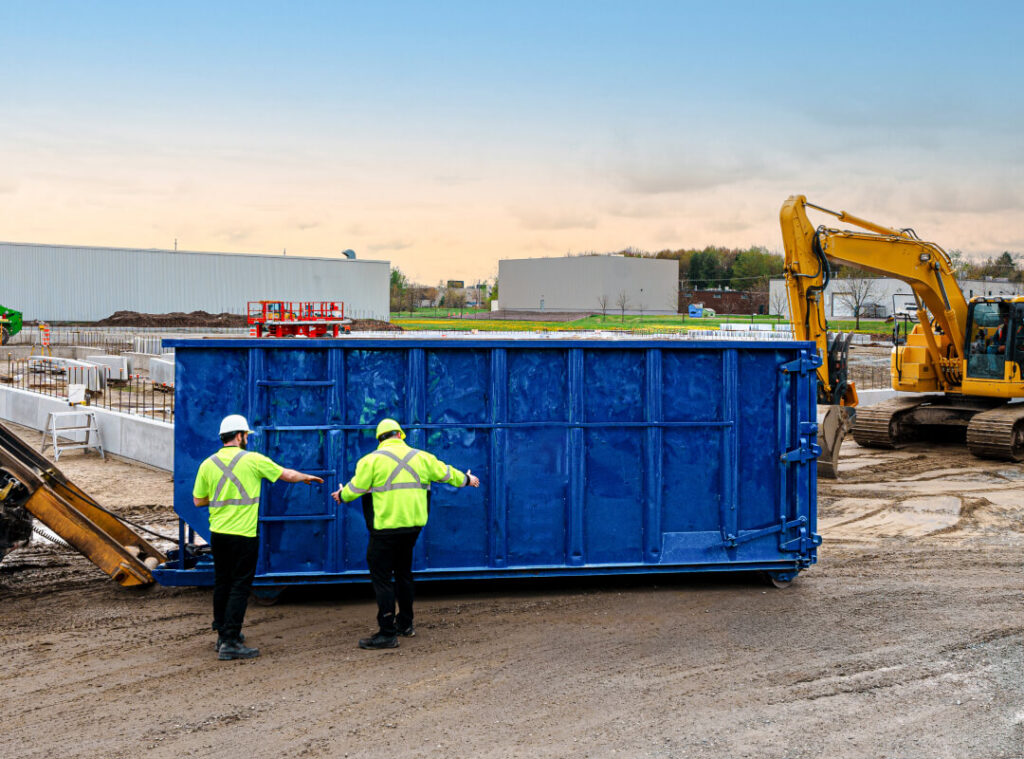
Fortunately, dependable local roll-off dumpster services give homeowners, contractors, and business owners a practical way to manage unwanted materials without constantly making trips to disposal facilities.
With a suitable container and a little preparation, you can keep your project organized from the first day of demolition to the final cleanup.
Why Ordinary Garbage Collection Isn’t Always Enough
Weekly garbage collection works well when you’re dealing with everyday household waste. Renovations and extensive cleanouts, however, are another story.
Removing carpeting, damaged furniture, cabinets, and old building materials can generate substantial amounts of debris within hours.
Trying to squeeze everything into regular garbage containers is rarely practical. Depending on collection guidelines, some of those materials might not even be accepted.
Arranging a temporary waste container rental provides additional disposal capacity for projects with a definite starting and finishing point, without requiring a permanent change to your regular garbage collection arrangements.
You can work through the cleanup gradually, filling the container as approved materials become available. There’s no need to spend every afternoon loading unwanted debris into your vehicle.
It’s a straightforward solution that can make demanding projects considerably easier.
Making Renovation Projects Less Messy
Anyone who has lived through a major home renovation knows that dust, noise, and disruption are practically unavoidable. Excessive clutter, though, doesn’t have to be part of the experience.
Using roll-off dumpsters for renovations allows homeowners and construction crews to collect approved demolition debris in one designated location rather than letting materials accumulate throughout the property.
During a kitchen remodel, for instance, old cabinets and flooring can be removed directly to the container before installation work begins.
This helps keep work areas more accessible and reduces unnecessary handling of discarded materials.
Timing matters as well. Ideally, your container should arrive before demolition starts and remain available until the major waste-producing stages are complete.
Coordinating these arrangements with your contractor can prevent interruptions that might otherwise affect the entire renovation schedule.
Finding a Container That Matches Your Project
Choosing a dumpster size isn’t always as straightforward as it sounds.
People frequently underestimate how much space discarded materials occupy. A few pieces of bulky furniture can fill a surprising portion of a container, while broken building materials don’t always stack neatly.
Smaller dumpsters may be appropriate for modest household cleanouts and limited remodeling work. Larger containers generally suit extensive renovations, commercial improvements, and substantial construction projects.
Weight is another important consideration. Concrete, bricks, and roofing materials can reach allowable weight limits before the container appears anywhere near full.
Rather than choosing solely according to volume, explain your project to the rental provider.
Mention the materials you’re removing, your expected timeline, and any uncertainty about additional demolition work. This information helps the provider recommend a more suitable container.
Preparing Your Property Before Delivery Day
Picture a delivery truck arriving at your home, only to discover that parked vehicles or overhanging tree branches prevent access to the intended placement area.
It’s an inconvenient situation that can often be avoided with a quick inspection beforehand.
Choose a placement location with adequate clearance and a suitable surface capable of supporting the container’s weight.
Consider how workers will access the dumpster and whether its position might interfere with neighboring properties, parking spaces, or regular household activities.
If driveway protection is a concern, discuss appropriate precautions with the rental company.
For containers requiring placement on public property, check whether local authorization is necessary.
Good preparation makes delivery easier and helps keep your project moving according to plan.
Understanding What Belongs Inside the Dumpster
A rented dumpster isn’t an invitation to throw away absolutely everything.
Although many companies accept ordinary household clutter and approved construction debris, restrictions vary according to disposal arrangements and material types.
Batteries, chemicals, certain paints, tires, and electronic equipment may require specialized handling.
Older buildings may also contain potentially hazardous materials that should be assessed and managed separately.
Ask your provider about prohibited items before beginning the project. It’s much easier to separate unsuitable materials early than retrieve them from a container filled with heavy debris.
Consider donation opportunities, too. Unwanted furniture, usable cabinets, and functioning household fixtures might still have value to someone else.
Getting a Clear Picture of Rental Expenses
Nobody wants unexpected disposal charges appearing after an already expensive renovation.
Before booking, ask whether the quoted price includes delivery, collection, disposal, and a specified rental period.
Find out how excess weight, additional rental days, and supplementary pickups are charged.
Also, ask what happens if your project finishes earlier or later than anticipated. Understanding the available flexibility can help you manage changes without unnecessary stress.
The lowest advertised price isn’t always the most economical choice, particularly when important services aren’t included.
Enjoying the Results Without the Waste Removal Headache
A successful property improvement should leave you feeling satisfied, not exhausted from dealing with leftover debris.
Choosing an appropriate dumpster, preparing for delivery, and understanding disposal requirements can simplify one of the messiest stages of the process.
Whether you’re renovating a family home, clearing an inherited property, or improving a commercial building, dependable waste removal gives you more room to concentrate on the work itself.
And when the container is finally collected, you can appreciate the results without another weekend of cleanup waiting for you.