
The Everyday Value of a Well-Maintained Home
A comfortable home depends on many things working quietly in the background. The heating system needs to do its job, the kitchen should be ready for daily meals, and the bathroom should work without unexpected problems. Plumbing is easy to overlook when everything runs smoothly, but even a small fault can quickly interrupt the usual routine.
Hard water leaves spots on glassware. A dripping pipe wastes water and can damage cabinets. An ageing water heater may struggle to provide enough hot water when the family needs it most. These problems aren’t always dramatic, but they can become expensive if they’re ignored for too long.
Fortunately, homeowners have several ways to protect their plumbing systems. Understanding water quality, addressing leaks early, and maintaining essential fixtures can help prevent unnecessary repairs while making everyday tasks easier.
Understanding the Effects of Hard Water
Have you ever noticed white marks on a shower screen that seem to return a day after cleaning? Or perhaps soap doesn’t lather as easily as expected, and the bathroom taps develop a cloudy coating. These can be signs of hard water, which contains elevated levels of dissolved minerals, particularly calcium and magnesium.
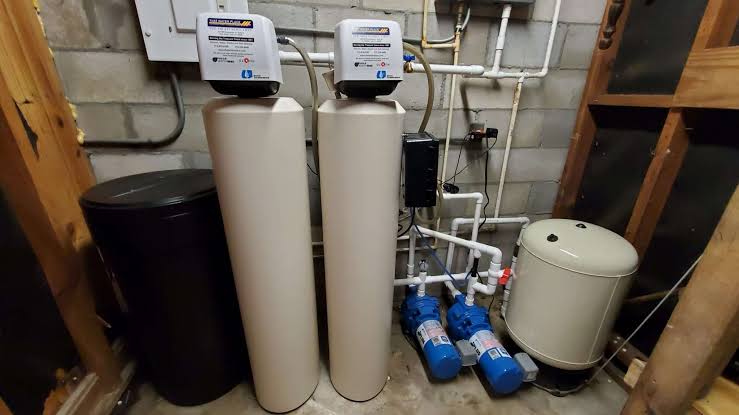
Installing water softeners may help households dealing with these issues. A conventional ion-exchange softener reduces hardness by replacing calcium and magnesium ions with sodium or potassium ions. The result is water that is less likely to leave mineral scale on plumbing fixtures and certain appliances.
The benefits can extend beyond appearance. Reducing scale buildup may help protect water-using equipment, including water heaters, from mineral deposits that affect performance. Some people also find that softened water makes cleaning easier because less soap scum develops on surfaces.
Still, a softener isn’t the right answer for every water problem. It doesn’t automatically remove bacteria, lead, pesticides, or every other contaminant. Water quality varies by location, so testing the supply is a sensible first step. A professional can explain whether softening is appropriate and whether additional treatment is needed.
It’s also worth considering maintenance and environmental impact. Softener systems require periodic servicing and regeneration, and the choice of equipment should reflect household water use and local requirements. A properly selected system is more useful than one installed simply because hard water is common in the area.
Dealing With Leaks Before They Become Bigger Problems
A slow drip beneath the kitchen sink may not seem urgent when a bucket catches the water and the cabinet still looks dry. But leaks have a way of becoming more troublesome over time. Water can damage wood, encourage mould growth, stain walls, and increase utility bills without making much noise.
Professional leak service & repair can help identify the source and determine the most appropriate fix. Some leaks come from worn washers or loose connections. Others may involve damaged supply lines, corroded pipes, failing seals, or plumbing hidden behind walls. The right repair depends on the cause, not merely on where the water appears.
Homeowners can make simple inspections part of their routine. Look under sinks occasionally, check exposed pipes for moisture, and pay attention to unexplained changes in water bills. Damp patches, musty smells, peeling paint, or a persistent sound of running water may deserve further investigation.
If a leak is active, shut off the relevant water supply when it’s safe and practical to do so. Avoid touching electrical equipment in wet areas, and seek qualified assistance when the leak is difficult to locate or appears to involve concealed pipes.
Prompt repairs often prevent a relatively minor issue from turning into a larger restoration project. Just as importantly, they help protect the structure of the home and reduce avoidable water waste.
Choosing the Right Water Heater for Your Household
Hot water is essential for bathing, washing dishes, cleaning, and many other daily activities. Yet households often wait until a water heater stops working before considering whether their current system is suitable.
Storage water heaters keep a quantity of water hot in an insulated tank, while tankless models heat water as it flows through the unit. Each approach has advantages. Storage systems are familiar and can serve households with predictable hot-water needs. Tankless equipment saves storage space and may reduce standby heat loss, although its output must be sufficient for the number of fixtures used at once.
The best choice depends on household size, energy prices, installation conditions, and typical demand. A family that frequently runs several showers at the same time may have different requirements from a couple living in a smaller property.
Maintenance matters regardless of the model. Mineral buildup, worn components, and neglected servicing can affect performance. Follow the manufacturer’s guidance and arrange professional inspections when the equipment shows unusual noises, inconsistent temperatures, corrosion, or signs of leakage. Replacing a heater before it fails completely may also give homeowners more time to compare options rather than making a rushed decision.
Why a Reverse Osmosis System May Be Worth Considering
Water that looks clear isn’t necessarily free of every unwanted substance. Depending on the source, drinking water may contain dissolved minerals, certain metals, or other contaminants that require targeted treatment. This is where testing and choosing the right filtration technology become important.
A reverse osmosis system uses a semipermeable membrane to reduce many dissolved substances in drinking water. These systems commonly serve kitchen drinking-water taps and may be useful when test results identify contaminants that the particular unit is certified to reduce.
However, reverse osmosis isn’t a universal solution. Different systems remove different substances, and performance depends on the equipment, its certification, installation, and maintenance. Some models also produce wastewater and remove minerals that contribute to taste. Filters and membranes need replacement according to the manufacturer’s schedule.
Before purchasing a system, review local water-quality information and consider a suitable test if there’s a specific concern. Choose equipment with independently verified performance claims for the contaminants you’re trying to address. That approach is more reliable than buying a filter based only on broad marketing statements.
Giving Everyday Fixtures the Attention They Deserve
Water treatment and heating equipment may involve larger decisions, but the fixtures used every day deserve attention as well. Toilets and faucets can develop worn seals, faulty valves, mineral deposits, and loose connections over time. These issues may seem minor, yet they can waste water and make household routines less convenient.
A faucet that drips after being turned off might need a replacement cartridge or another small component. A toilet that continues running after flushing could have a problem with its fill valve or flushing mechanism. In some cases, a straightforward repair is all that’s required.
Pay attention to slow drains, changes in water pressure, and recurring blockages, too. Avoid assuming that harsh chemical cleaners will solve every drainage problem; repeated obstructions may indicate an issue deeper in the plumbing.
When a fixture is old, badly corroded, or difficult to repair, replacement may be more practical. Water-efficient models can reduce consumption, provided they’re suitable for the home’s plumbing and installed correctly. A qualified plumber can help compare repair and replacement options without unnecessary guesswork.
Creating a Practical Plumbing Maintenance Routine
A little planning can make plumbing maintenance less stressful. Once every month or so, take a few minutes to check visible pipes, inspect areas beneath sinks, and look for unexplained moisture. Keep track of changes in water bills and notice whether the water heater behaves differently from usual.
For water treatment equipment, follow the recommended filter replacement and servicing schedule. Don’t wait until the water tastes unusual or the system stops working before checking its condition. If the home uses a private well, appropriate testing is particularly important because water quality can change over time.
It’s also helpful to keep records of major repairs, installation dates, and equipment models. Those details can save time when arranging service or deciding whether an ageing appliance should be replaced.
Small Improvements, Lasting Benefits
Reliable plumbing doesn’t require homeowners to fix everything at once. Sometimes, the most useful first step is repairing a leak. In another home, testing the water or improving an ageing hot-water system may deliver the greatest benefit.
What matters is choosing solutions that match the actual problem. Water softening, filtration, heating upgrades, and fixture repairs all serve different purposes, so understanding household needs before spending money is essential.
With sensible maintenance and timely professional support, homeowners can reduce waste, protect their property, and enjoy a more dependable supply of water. Those improvements may not always be visible, but they make a real difference to the comfort and everyday running of a home.