
Water is one of those things we rarely think about until something feels off. Maybe it’s a strange smell from the tap, a cloudy glass of water, or simply the realization that not all water sources are created equal. The truth is, clean water isn’t just about taste. It affects your health, your appliances, your cooking, and even the confidence you have when filling a glass straight from the faucet.
Many homeowners assume municipal water is always perfectly safe, while those using wells often rely on old systems that haven’t been checked in years. Reality sits somewhere in the middle. Water quality can change over time because of aging pipes, seasonal weather, local construction, or naturally occurring minerals. That’s why taking a thoughtful approach to water quality has become less of a luxury and more of a practical decision.
Understanding What Might Be in Your Water
Not every contaminant can be seen with the naked eye. Some are obvious, like sediment that makes water look murky. Others, including bacteria, viruses, heavy metals, chlorine byproducts, and microscopic pollutants, remain invisible.
Different regions face different challenges. Rural households may deal with iron, sulfur, or agricultural runoff. Urban homes often encounter chlorine, aging plumbing, or trace contaminants that affect taste and odor. Even when water meets safety standards, many people still prefer additional purification for extra peace of mind.
The first step isn’t buying the most expensive system. It’s understanding your water source and identifying what actually needs to be removed.
Related reading: Better Water Starts With the Right Filtration and Regular Maintenance
Choosing the Right System for Your Home
There isn’t a universal solution because every household has unique needs. A small apartment with treated city water requires something entirely different from a country home relying on a private well.
Some families only need better-tasting drinking water, while others want complete protection throughout the house. Factors like household size, water consumption, plumbing setup, maintenance costs, and local water conditions all play a role.
A good water system should solve real problems rather than adding unnecessary complexity. Sometimes a simple filter is enough. Other situations call for a combination of technologies working together.
Modern Technology Has Made Water Safer
Water purification has improved dramatically over the last decade. Today’s systems are more efficient, easier to maintain, and designed to remove a wider range of contaminants than older models.
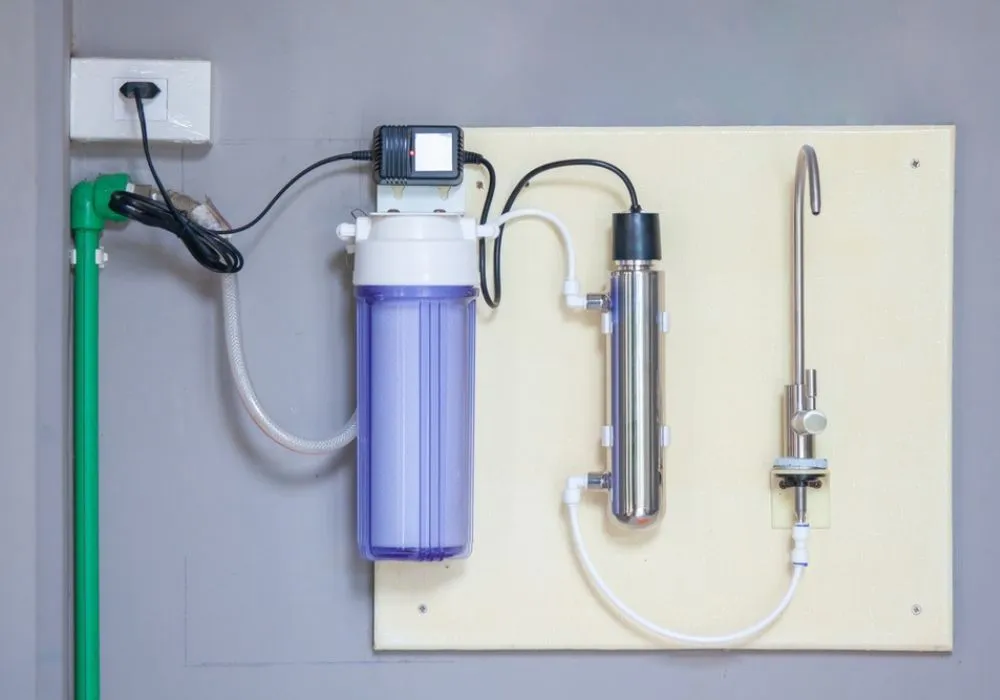
One increasingly popular option is uv purification kits, which use ultraviolet light to deactivate bacteria, viruses, and other harmful microorganisms without introducing chemicals into the water. This technology has become especially valuable for homes using private wells or collected rainwater, where biological contamination is a greater concern.
Related reading: Why the Right Water Treatment System Makes a Bigger Difference
The biggest advantage is simplicity. Once installed and properly maintained, UV systems quietly perform their job in the background while preserving the natural taste of water.
Looking Beyond Basic Filters
Many people think all water filters do essentially the same thing. They don’t.
Activated carbon excels at improving taste and reducing chlorine. Reverse osmosis removes dissolved solids and many heavy metals. Sediment filters protect plumbing from dirt and rust. UV systems focus on microorganisms.
The best results often come from combining multiple technologies instead of relying on a single filter. Effective filtration and treatment creates several layers of protection, with each stage addressing different water quality concerns.
Think of it like home security. A single lock helps, but multiple safeguards provide greater confidence.
Related reading: Behind the Scenes of Big Water: How Businesses Keep Every Drop Working
Don’t Overlook Rainwater Collection
As water conservation becomes more important, more homeowners are installing rainwater harvesting systems. It’s an environmentally friendly way to supplement water supplies for gardens, landscaping, cleaning, and, with proper treatment, even household use.
However, rainwater isn’t automatically clean. It travels across rooftops, gutters, and storage tanks, picking up leaves, dust, bird droppings, insects, and other debris along the way.
Proper rainwater filtration transforms collected water into a much safer resource by removing sediments and reducing contaminants before the water reaches storage or household systems. When paired with appropriate purification methods, harvested rainwater becomes far more practical for everyday applications.
Maintenance Matters More Than Most People Realize
Even the best water system won’t perform well forever without regular maintenance.
Filters eventually become clogged. UV lamps lose effectiveness after their recommended lifespan. Reverse osmosis membranes gradually wear out. Ignoring maintenance doesn’t just reduce performance—it can sometimes create new problems by allowing contaminants to bypass worn components.
Related reading: Making Better Water Part of Everyday Life at Home
Fortunately, maintenance is usually straightforward. Most manufacturers provide clear replacement schedules, and many modern systems include reminder indicators that make servicing almost effortless.
Treat your water system the same way you treat your car. Small routine maintenance prevents much larger problems later.
Health Benefits Go Beyond Drinking Water
People often focus only on what they drink, but water affects much more than that.
Clean water improves cooking because ingredients retain their natural flavors. Coffee and tea taste noticeably better. Ice cubes become crystal clear instead of cloudy. Bathrooms and kitchens experience fewer mineral deposits. Water heaters, washing machines, and dishwashers often last longer when excessive minerals are removed before reaching the appliances.
For families with young children, elderly relatives, or individuals with weakened immune systems, higher-quality water offers additional reassurance during everyday life.
Related reading: When Your Tap Water Isn’t Quite Right: A Practical Look at Reverse Osmosis at Home
These improvements might seem small individually, yet together they create a healthier, more comfortable home environment.
Making a Smart Long-Term Investment
Installing a water purification system isn’t just another household expense. In many cases, it reduces the ongoing cost of bottled water, minimizes plumbing repairs caused by mineral buildup, and decreases appliance maintenance over time.
Just as importantly, it offers something that’s difficult to measure financially: confidence.
You no longer wonder whether your tap water tastes strange because of old pipes or seasonal changes. You don’t constantly buy bottled water before guests arrive. Instead, clean water becomes an ordinary part of daily life—the way it should be.
Safe water isn’t about chasing perfection. It’s about making informed choices that match your home’s needs and your family’s lifestyle. By understanding your water quality, selecting appropriate technology, and maintaining your equipment properly, you create a dependable system that serves you every single day.
At the end of it all, clean water isn’t merely a convenience. It’s one of the simplest investments you can make in your health, your home, and your peace of mind—and those benefits continue flowing long after the installation is complete.