
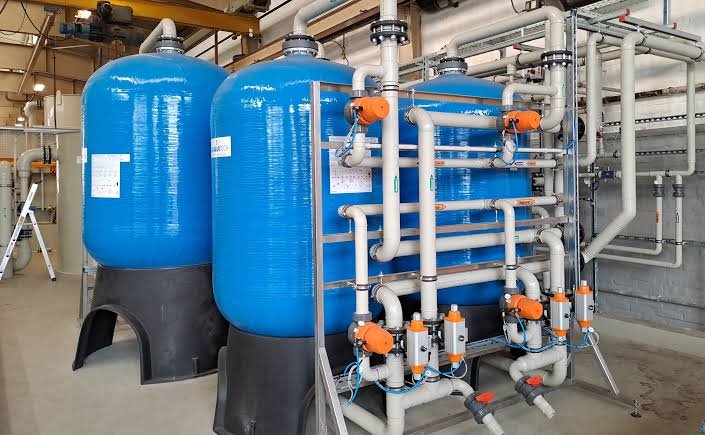
Water is easy to take for granted. We turn on the tap, fill a glass, start the washing machine, take a shower, and get on with the day. It works quietly in the background. But when water contains excessive minerals, sediment, unpleasant tastes, or other unwanted substances, the little problems start adding up.
A faucet develops spots. Soap doesn’t seem to rinse properly. Appliances need more attention. Maybe the drinking water has a strange taste that makes everyone reach for bottled water instead.
The good news is that water treatment doesn’t have to be confusing. With the right assessment and equipment, homeowners can address specific water-quality concerns without turning their utility room into a science experiment.
Start by Understanding Your Water
The first step in any sensible water treatment decision is testing.
Water quality varies considerably depending on the source, local geology, plumbing infrastructure, and whether a property relies on municipal water or a private well. Hardness, chlorine, iron, sediment, pH, and dissolved substances can all affect how water behaves in a home.
Testing gives you something much more useful than guesswork.
For example, if hardness is the main issue, a water softener may be appropriate. If chlorine affects taste and odor, activated carbon filtration could be a better choice. If specific dissolved contaminants are present, a reverse osmosis system or another specialized technology might make more sense.
Related reading: Bold Solutions for Clearer Water: Choosing the Right Well Water Treatment System in Irvine, CA
In other words, the water should determine the equipment—not the other way around.
Efficiency Matters in Everyday Use
A treatment system can look impressive on paper and still be frustrating if it’s expensive or difficult to operate. That’s why efficient design matters.
Efficiency can mean different things depending on the equipment. A softener may use water and salt effectively. A filtration system may provide adequate flow without wasting unnecessary water. An RO system might be designed to produce treated water while minimizing wastewater.
These details aren’t always exciting, admittedly. Nobody gets thrilled reading about regeneration cycles or filter capacity over breakfast. But they matter over several years.
When comparing systems, consider operating costs alongside the initial purchase price. A slightly more expensive system may prove more economical if it uses fewer replacement filters, consumes less water, or requires less frequent servicing.
Systems Should Grow With Your Needs
Households change. Families grow, people move, renovations happen, and water usage can increase. A treatment system that works beautifully today shouldn’t necessarily become a problem five years from now.
This is where scalable systems can be useful. Modular or appropriately sized treatment equipment can sometimes be expanded, adjusted, or supplemented as household requirements change.
Related reading: When Your Water Stops Interrupting Your Day (and You Finally Notice the Difference)
Imagine a couple installing a system in a small home and later adding another bathroom. Their water demand may increase noticeably. A well-planned treatment setup gives them more flexibility than equipment chosen solely for the cheapest possible installation.
Scalability doesn’t mean buying the biggest system available. That’s usually unnecessary. It means thinking a little beyond today’s needs while avoiding equipment that’s wildly oversized.
Different Water Problems Need Different Solutions
There isn’t one universal filter that fixes everything.
Sediment filtration is useful for suspended particles such as sand and rust. Carbon filtration can improve taste and reduce certain chemicals. Water softeners are designed primarily for hardness minerals. Reverse osmosis can reduce many dissolved substances from drinking water.
Sometimes several technologies work together.
For instance, an RO drinking-water system may use a sediment filter and carbon pre-filter before water reaches the membrane. This staged approach helps protect the membrane while addressing different aspects of water quality.
The important thing is to understand what each component actually does. Marketing language can make filtration sound magical, but good treatment is really about matching technology to a measurable problem.
Related reading: Small Changes, Better Water: Simple Ways to Improve Your Home’s Water
Why Installation Deserves More Attention
Even excellent equipment can perform poorly when installed incorrectly.
That’s why expert installation and service can be just as important as the equipment itself. Plumbing connections need to be secure, flow direction must be correct, and some systems require specific pressure, drainage, or electrical arrangements.
Installation also needs to consider the existing plumbing.
A professional can identify awkward connections, inadequate space, poor drainage arrangements, or other issues that might cause trouble later. They can also position components so filters and valves remain accessible.
It’s a small thing until you have to replace a filter while kneeling behind a water heater with a flashlight in your mouth. Suddenly, accessibility seems like a brilliant design feature.
Customized Treatment Is Often the Smarter Choice
Two houses on the same street may have different water problems. One might struggle with hardness, while another has sediment because it relies on a private well.
That makes customized water treatment solutions particularly valuable.
Related reading: When Your Tap Water Isn’t Quite Right: A Practical Look at Reverse Osmosis at Home
Customization doesn’t necessarily mean an expensive, complicated setup. It simply means selecting treatment based on water testing, household usage, budget, available space, and the homeowner’s priorities.
A family primarily concerned about drinking water may need a point-of-use system. Another household experiencing scale throughout the plumbing may benefit from whole-home treatment.
The best solution is the one that solves the actual problem without adding unnecessary equipment.
Don’t Forget About Maintenance
Water treatment systems aren’t completely maintenance-free.
Filters eventually need replacing. Softener settings may need adjustment. RO membranes have a service life. Connections and components should be inspected periodically.
Fortunately, routine maintenance is usually manageable when the system has been properly installed.
Keep track of filter changes and follow manufacturer recommendations. If water pressure suddenly drops or the taste changes, don’t ignore it. Sometimes the explanation is as simple as a filter that’s reached the end of its useful life.
Related reading: When Your Water Smells Different: Understanding the Hidden Causes Behind Unpleasant Odors
Regular attention also helps protect your investment.
Think Beyond the Initial Price
It’s tempting to compare treatment systems by purchase price alone. But that’s only one part of the story.
Consider installation, replacement cartridges, salt or other consumables, electricity, wastewater, servicing, and expected equipment life.
A cheap system that needs frequent replacement parts may cost more in the long run. Conversely, a premium system isn’t automatically worth the extra money.
Ask practical questions before making a decision. What does it treat? How often does it need service? Are replacement parts readily available? What happens if something fails?
Those answers are more valuable than a long list of flashy features.
Better Water Begins With a Thoughtful Plan
Water treatment is one of those home improvements where doing a little homework can pay off.
Test the water first. Identify the actual concern. Choose technology that addresses it, size the equipment appropriately, and make sure installation is handled correctly. Then keep up with routine maintenance.
You don’t necessarily need the most advanced system on the market. You need a system that fits your home and quietly does its job.
When the equipment is selected carefully and supported properly, the benefits become part of everyday life: cleaner fixtures, better-tasting water, protected appliances, and fewer frustrating surprises.
That’s really what good water treatment should provide—not more complexity, but a little more confidence every time you turn on the tap.