
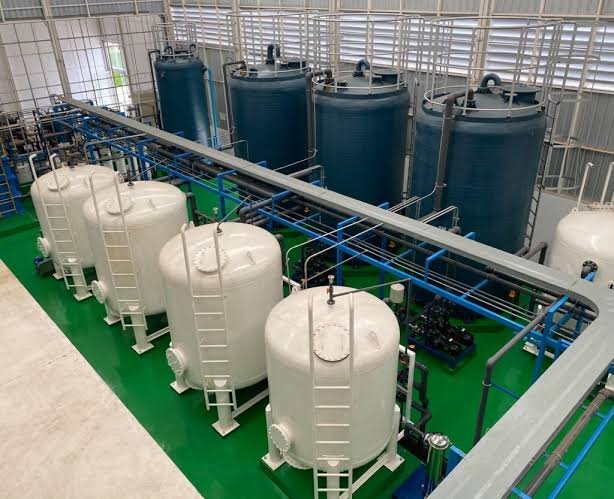
Water is something most people use without hesitation. We turn on the faucet, fill a glass, make coffee, cook dinner, and move through our day. It feels simple. But behind that everyday convenience is a complex journey involving treatment facilities, pipelines, storage tanks, and sometimes aging infrastructure.
While many water supplies meet basic safety standards, that does not always mean the water entering your home is perfect. Taste, odor, mineral buildup, and unwanted particles can all affect how water feels and functions in your daily life.
This is why more homeowners are paying attention to the quality of their water and exploring solutions that provide cleaner, better-tasting water throughout their homes.
Understanding What Affects Your Home’s Water
Water quality can change depending on several factors, including where your water comes from and the condition of the pipes delivering it. Homes connected to municipal systems may experience issues from old plumbing or treatment chemicals, while private wells can face challenges from minerals, sediment, or naturally occurring substances.
Related reading: Small Changes, Better Water: Simple Ways to Improve Your Home’s Water
Sometimes the signs are easy to spot. You might notice cloudy glasses, stains around fixtures, dry skin after showering, or a strange taste when drinking water. Other times, problems remain invisible and only become clear through proper testing.
Understanding these concerns is the first step toward choosing a solution that actually matches your home’s needs.
Why Water Filtration Has Become More Important
Many families once relied only on basic filters or bottled water. Today, homeowners are looking for more convenient and reliable options that support their entire household.
Modern water filtration systems are designed to remove or reduce various unwanted substances while improving the overall experience of using water. Depending on the technology, these systems can help address concerns such as sediment, chlorine taste, odors, and other impurities.
Related reading: Why the Right Water Treatment System Makes a Bigger Difference
The biggest advantage is control. Instead of wondering what is coming through your faucet, you have a system designed specifically to improve your water before you use it.
For many households, this means better-tasting drinking water, cleaner appliances, and a more comfortable daily routine.
The Difference Between Filtration and Treatment
Although people often use the terms interchangeably, water filtration and water treatment are not exactly the same thing.
Filtration usually focuses on physically removing particles and certain contaminants from water. Treatment is a broader approach that may include filtration along with other methods designed to address specific water problems.
Related reading: Behind the Scenes of Big Water: How Businesses Keep Every Drop Working
Complete water treatment systems may combine several technologies, such as sediment filters, carbon filtration, softening methods, or purification processes. The right combination depends on what is present in your water supply.
For example, a home with hard water may need a different approach than a property dealing mainly with taste and odor issues. This is why testing is so important before investing in any equipment.
How Better Water Can Improve Everyday Life
Many homeowners are surprised by how much water quality affects small moments throughout the day. A morning shower, a cup of tea, washing clothes, or preparing meals all depend on the water flowing through your home.
Improved water quality can make everyday activities feel easier and more enjoyable. Cleaner water may help reduce mineral spots on fixtures, improve the taste of beverages, and reduce the need for excessive cleaning caused by buildup.
Related reading: Making Better Water Part of Everyday Life at Home
It is not always about dramatic changes. Often, the biggest benefits are the ones you notice slowly — fewer frustrations, better convenience, and greater confidence in the water your family uses.
Choosing the Right System for Your Home
With so many filtration options available, choosing the right one can feel confusing. The best system is not necessarily the most expensive or the one with the most features. It is the one that solves your specific water challenges.
A professional water test can provide valuable information about hardness levels, contaminants, minerals, and other factors affecting your supply.
Homeowners should also consider maintenance requirements. Every filtration system needs proper care to continue performing well. Replacing filters on schedule and following manufacturer recommendations can help protect your investment.
Related reading: Why Soft Water Feels So Different — And What’s Really Happening Behind the Scenes
Another important factor is working with a trustworthy provider. A good company will explain your options clearly, avoid unnecessary recommendations, and help you understand how your system works.
The Long-Term Value of Investing in Better Water
Water filtration is not just about improving taste. It is about creating a healthier and more comfortable living environment.
Cleaner water can protect appliances, reduce household frustrations, and give families peace of mind. It is one of those home improvements that may seem small at first but becomes increasingly valuable over time.
As awareness around water quality continues to grow, more homeowners are realizing that they do not have to accept water problems as a normal part of daily life.
Making a Smarter Choice for Your Home’s Future
Your home’s water supply plays an important role in your health, comfort, and everyday convenience. Taking the time to understand what is in your water allows you to make better decisions instead of relying on guesswork.
Whether your concern is taste, minerals, sediment, or overall cleanliness, the right filtration approach can help create a noticeable improvement.
Better water does not have to be complicated. It starts with understanding your needs, choosing reliable technology, and creating a system that supports the way you live.
After all, water is something you use every single day. Making it better is an investment you will appreciate every time you turn on the tap.