
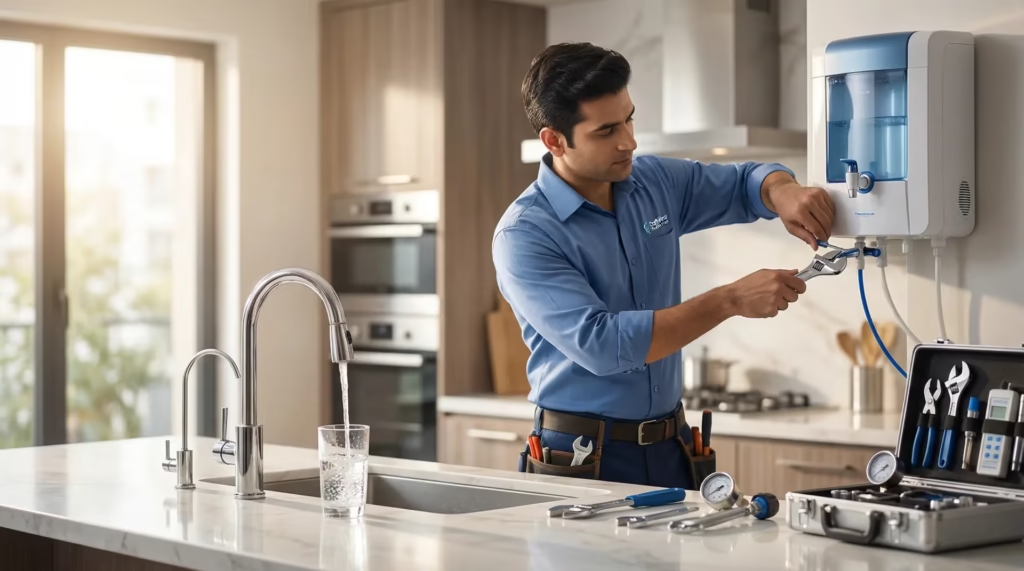
Installing a water treatment system can make everyday life easier. The shower stays cleaner, the water tastes better, and mineral deposits may become less of a nuisance. But there’s one part of water treatment that homeowners sometimes overlook: what happens after installation.
Like any equipment that works regularly, a filtration or softening system needs attention to keep performing as intended. Filters collect particles, components wear down, and changing water conditions can affect performance. Without proper care, even a good system may gradually stop delivering the results you expected.
The encouraging part is that looking after your equipment doesn’t have to be complicated. A little planning, some routine checks, and timely servicing can help prevent avoidable problems and extend the useful life of many systems.
Why Regular Water System Care Matters
Water treatment equipment handles a steady flow of water, often every day of the year. Depending on the system, it may capture sediment, reduce selected contaminants, manage hardness minerals, or improve taste and odor. Over time, these processes can place demands on filters, valves, membranes, and other components.
Consider a household with a sediment filter installed before the main plumbing line. As the filter traps particles, the material inside gradually accumulates. Eventually, water may pass through less easily, causing reduced flow or pressure. Replacing the filter when needed can help restore normal operation.
Other systems show different warning signs. A softener may begin allowing scale to return if it isn’t regenerating properly or has run into a maintenance issue. A drinking-water filter may need attention when its recommended service interval arrives, even if the water still looks and tastes normal.
That’s why maintenance should be part of the original treatment plan rather than something considered only after a problem develops. Knowing the manufacturer’s recommended schedule makes it easier to plan ahead instead of scrambling when something stops working.
Knowing When Filters Need Replacing
Filter cartridges don’t last forever. Their useful life depends on the type of filter, the amount of water used, and the quality of the incoming supply. A home with heavy sediment may need more frequent changes than one with relatively clean source water.
Following the recommended schedule for filter replacements is important, but timing isn’t always based on the calendar alone. Some products have rated capacities measured in gallons or liters, while others use indicators that track usage. In certain systems, a noticeable drop in water pressure may suggest a clogged filter.
However, don’t rely on taste or appearance as the only guide. Some filters are designed to reduce substances that have no obvious smell, color, or flavor. Water can seem unchanged even when a cartridge has reached the end of its rated service life.
Check the product manual for replacement instructions and use compatible cartridges or approved alternatives. Installing the wrong filter may affect performance, fit, or flow rate. It’s also sensible to follow hygiene instructions when changing cartridges, particularly for drinking-water systems.
If the housing is difficult to open, a connection appears damaged, or water continues leaking after replacement, stop and address the issue before returning the system to normal use.
Recognizing Problems Before They Become Expensive
A water treatment system rarely sends a dramatic warning when something begins to go wrong. Often, the first signs are subtle. You might notice that soap no longer lathers as easily, white deposits begin appearing on faucets, or water pressure drops at several outlets.
Other clues can include unusual noises, persistent leaks, changes in taste, or an odor that returns after treatment. These symptoms don’t always mean the treatment equipment has failed. A change in the incoming water supply, a plumbing issue, or a separate appliance problem may be responsible.
This is where diagnostics can help. A qualified technician can inspect the equipment, review its operating settings, check relevant components, and compare the symptoms with the system’s intended performance. Depending on the problem, the technician may also recommend water testing to determine whether the source water has changed.
It’s useful to keep a record of previous service visits and any changes you’ve noticed. If a problem occurs repeatedly, those notes may reveal a pattern that would otherwise be easy to miss.
Avoid dismantling unfamiliar equipment simply to see what’s happening inside. Some systems contain pressurized components, electrical connections, or specialized valves that require proper handling. Routine visual checks are reasonable, but complicated repairs are better left to someone trained to perform them safely.
Different Systems Need Different Care
Not every water treatment system follows the same maintenance routine. A sediment filter may need regular cartridge changes, while a water softener has different requirements involving salt levels, regeneration, and occasional inspection.
Reverse osmosis systems typically contain several stages of filtration and a membrane that may need replacement according to the manufacturer’s guidance. The storage tank, tubing, and connections should also be checked as recommended. Because each component has a different role, replacing one cartridge doesn’t necessarily mean the entire system has been serviced.
Activated carbon systems also vary. Some use replaceable cartridges, while others contain larger media beds that require periodic servicing. The right schedule depends on the equipment design and the substances it is intended to reduce.
Private well owners may have additional responsibilities beyond treatment equipment. Well inspections and water testing should follow local public health recommendations, particularly when bacteria or other health-related contaminants are a concern.
The important thing is to avoid using one universal schedule for every device. Keep the manuals together, record service dates, and follow the instructions for each specific model.
The Value of Professional Servicing
Some routine tasks are straightforward enough for homeowners, but professional servicing can be worthwhile when a system requires adjustments, internal repairs, or performance checks.
A technician may inspect valves and connections, verify operating settings, clean designated components, or investigate why treatment results have changed. Depending on the system, professional service can also help identify wear before it leads to a leak or equipment failure.
Before booking a visit, explain the symptoms clearly. Mention when the issue started, whether it affects every faucet, and whether you’ve recently replaced a filter or noticed a change in the source water. These details can help narrow down the likely cause.
Ask what the service includes and whether replacement parts are covered in the quoted price. A clear explanation of the findings is just as important as the repair itself. You should understand what went wrong, what was done, and whether any follow-up testing or monitoring is recommended.
Make Maintenance Part of Your Routine
The easiest way to care for a water treatment system is to make it part of normal household planning. Set reminders for cartridge changes, check visible connections occasionally, and pay attention to changes in water flow, taste, or appearance.
Keep the area around the equipment accessible, and avoid storing items where they could hide a leak. If your system has an alarm or service indicator, learn what it means before it appears. A few minutes spent reading the manual can prevent a lot of confusion later.
Most importantly, remember that treatment equipment doesn’t replace the need to understand your water quality. If your water source changes or a health-related concern appears, arrange appropriate testing rather than assuming the existing system will handle everything.
A Little Attention Goes a Long Way
A reliable water treatment system is the result of more than a good initial purchase. Its performance also depends on correct installation, suitable operating conditions, and regular care.
By replacing filters on time, responding to warning signs, and arranging professional help when necessary, you can reduce avoidable interruptions and get more value from your equipment. You’ll also have a clearer idea of how the system works and what to do when something changes.
Water treatment shouldn’t become another source of stress around the house. With a sensible maintenance routine and a willingness to address small issues early, it can remain a practical, dependable part of everyday life.