
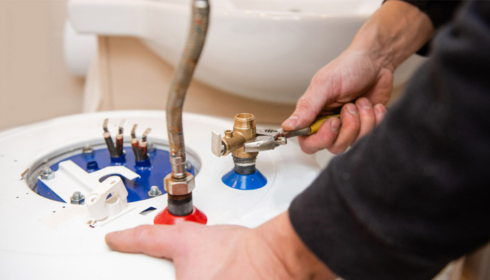
There’s nothing quite as frustrating as stepping into the shower on a cold morning expecting a steaming embrace — only to be greeted by icy betrayal. Most of us take our water heaters for granted until they throw in the towel. And when that moment comes? It’s confusing. Stressful. Downright inconvenient. Let’s talk about it — the messy, often overlooked world of water heater problems, and what to do when your hot water goes on strike.
The Silent Workhorse That Deserves a Little Attention
Think about it: your water heater is one of the hardest working appliances in your home. It heats the water for your showers, dishwashing, laundry, and more — quietly, reliably, day in and day out. But like any piece of equipment, it’s not invincible. Over time, sediment builds up, components wear out, and eventually, something gives.
Here’s the kicker: most issues start small. A little rumble here, a slightly longer heat time there. But we brush it off — until one day, it just… stops. No hot water. Just a blinking light or a quiet unit that won’t kick on. That’s where electric water heater repair comes into the picture — and it’s often more straightforward (and affordable) than you think.
Electric Water Heater Repair: It’s Not Always a Goner
We live in a world where replacing things often feels easier than fixing them. But that’s not always the best move — especially when your electric water heater is fixable.
Some common repairable issues?
- A faulty thermostat
- Heating element burnout
- Tripped breaker or blown fuse
- Loose wiring or corroded connectors
If your heater is less than 8–10 years old and hasn’t given you much grief before, a quick repair could bring it back to life. The trick is not to delay. That odd sound or lukewarm water could be your heater waving a little red flag.
Knowing When It’s Time to Let Go
Now, here’s the honest truth: not every water heater is worth saving. Repairs can only go so far, especially when:
- Your heater is 10+ years old
- You’re calling the plumber more often than your friends
- There’s rust in your hot water
- The tank is leaking (spoiler: that’s rarely fixable)
This is where we shift from repair to water heater replacement — a slightly bigger step, sure, but one that can pay off in the long run. Think energy efficiency, consistent hot water, fewer maintenance headaches, and (yes) a lower utility bill over time.
What to Expect With a Water Heater Replacement
Swapping out your old unit doesn’t have to be a hassle. Most pros can remove the old one and install the new model within a few hours. But the key? Choosing the right unit for your home and lifestyle.
A few things to consider:
- Tank vs. tankless: Do you want endless hot water or a traditional storage unit?
- Size: A 40-gallon tank might work for one or two people, but a family of five? You’ll need more.
- Energy efficiency: Newer models are often more eco-friendly and cheaper to run.
- Type: Electric, gas, hybrid? Each has its pros and cons.
This is where a little professional insight can make a big difference. A good technician won’t just toss a new tank in — they’ll help you understand your options so you can make the best choice for your home.
Planning Ahead: New Installations Without the Headache
Maybe you’re not dealing with a dead heater — maybe you’re building, renovating, or just thinking ahead. In that case, a new water heater installation is a chance to future-proof your comfort. It’s your moment to think about efficiency, water usage, and layout.
For example, if your old tank was crammed in a closet, a tankless unit mounted on a wall could free up space. Or if your family has grown, upsizing your tank could prevent those mid-shower cold surprises.
New installations also mean code compliance and safety checks — things that are often overlooked when you DIY (which, let’s be honest, isn’t always the smartest idea with plumbing and electricity involved).
A Word on Maintenance (Yeah, That Thing We All Forget)
Want to make your new heater last longer than the last one? Here’s the secret: maintenance. Just a little bit. Once a year.
- Flush out sediment from the tank
- Check the pressure relief valve
- Inspect the anode rod (it’s what prevents corrosion)
- Test the thermostat and heating elements
It’s not sexy, but it’s smart. A bit of preventative care could add years to your heater’s life — and save you from those “cold shower” wake-up calls.
Who You Hire Matters
One final note — and it’s a big one. Who you call for help matters more than most people realize. A licensed, experienced technician won’t just fix the problem; they’ll look at the whole picture. They’ll ask about your home, your usage habits, your budget. They’ll explain things. They’ll help you make a call that actually makes sense — not just one that adds another bill to your pile.
Ask questions. Read reviews. Look for someone who treats your home like it’s their own. Because at the end of the day, you’re not just fixing an appliance — you’re investing in your everyday comfort.
Wrapping Up: Hot Water, Peace of Mind
Water heaters aren’t glamorous. They’re not the centerpiece of your kitchen or the showstopper in your bathroom. But when they stop working, they demand attention — fast.
Whether you’re dealing with a small hiccup or a full-blown breakdown, you’ve got options. And with the right approach — whether it’s a quick electric water heater repair, a smart new water heater installation, or a full water heater replacement — you can get back to hot showers, clean dishes, and peace of mind.
So, here’s to hot water, done right. And never having to shiver in the shower again.