
If you’re living on a property that relies on well water, chances are you’ve already had your fair share of triumphs and troubles with the system. Maybe the water tastes a little earthier than what you’d get from the city supply. Maybe you’ve become a weekend warrior of water pressure fixes and filter changes. Either way, owning a well water system isn’t just about flipping a faucet—it’s a relationship. A bit messy, sometimes frustrating, but totally worth it when things run right.
Let’s dig into the good, the gritty, and the game-changing ways you can make your well water system work better, longer, and smarter.
When the Tap Runs Cold: Understanding Your Well Water System
Think of your well like a private little underground spring. It pulls water from deep below the surface using a pump and then sends it into your home. Sounds simple, but there’s a whole orchestra of components working in sync—pressure switches, tanks, pumps, pipes, filters. If one of them’s out of tune, the whole song stutters.
Unlike municipal systems that treat and regulate water before it reaches your sink, well water is your responsibility. That means regular testing, filtration, and a bit of know-how go a long way in keeping the water safe and the flow steady.
Related reading: Small Changes, Better Water: Simple Ways to Improve Your Home’s Water
The Unsung Hero: Pressure Tanks
If you’ve ever had a shower go from rainforest to trickle in under five seconds, you’ve probably clashed with water pressure issues. One big player in this dance? Pressure tanks.
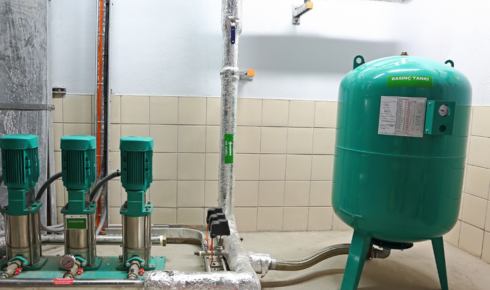
These unassuming steel tanks maintain water pressure throughout your plumbing system. Without them, your pump would turn on every time you flushed the toilet or filled a pot, burning out fast. A properly sized and maintained pressure tank helps your pump rest between uses and prevents sudden pressure drops that could make your kitchen sink feel more like a dripping faucet than a utility.
Pressure tanks also serve as shock absorbers. They help reduce the wear and tear on pipes and fixtures by keeping pressure fluctuations to a minimum. If your system groans, pulses, or your water pressure feels off, the pressure tank should be one of the first places you look.
Boosting Performance with Booster Pumps
Let’s talk upgrades.
Related reading: Better Water Starts With the Right Filtration and Regular Maintenance
In many households, especially those with multi-story layouts or irrigation systems, standard pressure just doesn’t cut it. Enter the booster pump. These devices amplify the water pressure coming from your well tank before it gets distributed through your pipes. It’s like giving your water an energy drink—suddenly, it’s racing to the showerhead, not crawling.
Booster pumps are particularly helpful in homes where water pressure seems okay downstairs but turns into a trickle on the second floor. They’re also a great solution for large homes or small farms that require consistent, strong flow for washing, cleaning, or watering.
But, as with all power tools—use with caution. Oversizing or misconfiguring a booster pump can cause pressure spikes and even damage your plumbing system. It’s best to consult with a professional before installation.
When It All Comes Together: Designing a Reliable Setup
Designing a well system isn’t just about slapping on a pump and crossing your fingers. It’s an ecosystem. You need to balance the draw from the well, the size of your pressure tank, and the capabilities of any booster pumps or filtration units. The goal is smooth operation with minimal wear on your gear.
Related reading: When Your Water Smells Different: Understanding the Hidden Causes Behind Unpleasant Odors
Let’s say your household includes five people, a dishwasher, a washer-dryer combo, and a big backyard you water every evening. You’d need a pressure tank that can handle frequent cycles, plus maybe a booster to keep the upstairs bathrooms happy. A basic sediment filter helps protect your pipes, and a UV purifier ensures what you’re drinking is clean. It’s all about building a system that works in harmony with your lifestyle.
The Maintenance No One Talks About (But Should)
The dirty truth? A lot of homeowners ignore their well systems until something goes wrong. But like any major appliance, maintenance is cheaper than repairs.
Check your system annually. Inspect the pressure tank for waterlogging (yep, that’s a thing). Have your water tested for bacteria, iron, and nitrates. Flush the sediment filter if needed. And keep an eye out for the small signs—noisy pipes, fluctuating pressure, or a pump that cycles too often. These little hints usually point to problems brewing.
Most well water systems don’t shout when they’re struggling—they whisper. It’s up to you to listen.
Related reading: The Hidden Story Behind Your Tap Water and Why Better Filtration Matters
What About the Water Itself?
You might love your well water’s taste—or hate it. Either way, it’s unique. Since it comes straight from the ground, it’s loaded with natural minerals. Some are harmless, like calcium or magnesium. Others, like arsenic or lead, not so much.
Testing your water at least once a year is non-negotiable. Depending on what turns up, you might need a filtration system tailored to your needs. Some homes benefit from carbon filters, others from reverse osmosis units. Just don’t assume your water is clean because it looks clear.
Your health depends on it.
Winter Woes and Weatherproofing
Cold snaps don’t just chill your toes—they can freeze pipes and crack components in your system. If your setup includes external piping or the pressure tank is housed in an uninsulated area, you’ll want to invest in heat tape or insulation.
Related reading: Why Every Home Deserves a Smarter Approach to Safe Water
Well pumps can also burn out if they’re forced to run dry during drought conditions. A simple low-pressure cutoff switch or dry-run sensor can save you from a costly replacement. It’s small tech, big peace of mind.
Troubleshooting the Mystery Issues
Sometimes things just stop working. Maybe the water spits out rusty for a second. Maybe the pump keeps clicking. These are all signs something’s up—and often, it’s a fixable issue.
Rusty water? Could be pipe corrosion or sediment stirred up in the well. Pump won’t stop cycling? You might have a leak or a faulty pressure switch. Don’t panic, but don’t delay either. A quick call to a trusted well technician or plumber can often sort it before it turns into a disaster.
Wrapping It All Up
A well water system isn’t just plumbing—it’s personal. It runs your showers, your morning coffee, your summer garden. Treat it with care and it’ll serve you for decades.
When things work right, you don’t even notice. That’s the magic. But behind that effortless stream of water is a whole team of parts—pressure tanks, booster pumps, valves, switches, filters—working in harmony. Pay them a little attention now and then, and you’ll avoid most of the headaches down the road.
Living off well water is a bit like living off the grid. There’s more responsibility, but also more control. And honestly? That control—knowing where your water comes from and how it gets to you—is kind of empowering.