
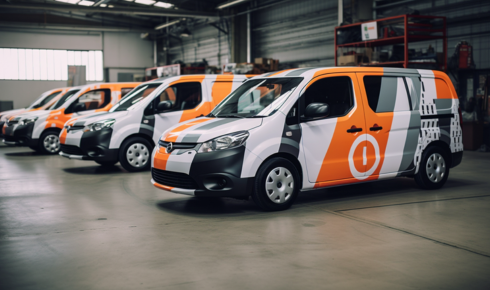
It’s one thing to wrap a single delivery van. It’s a whole different animal to coordinate 60 box trucks across 12 states — and make them all look like they rolled out of the same design studio.
Fleet vehicle branding isn’t just about sticking vinyl on metal anymore. It’s about strategy, timing, and knowing how to execute flawlessly — especially when you’re working with tight schedules, seasonal rollouts, and high customer visibility. That’s where the behind-the-scenes magic happens: the planning, the coordination, the phone calls, the pre-press files, the installer briefings. It’s a symphony. And when done right, your brand becomes a moving masterpiece.
The Art of Fleet Wrap Deployment
You can’t just wing it when it comes to large-scale vehicle branding. A well-executed fleet wrap deployment starts long before the first squeegee hits the panel. It begins with a deep dive into your operational needs. How many vehicles? Where are they located? What’s the timeline? What models are we working with? Every little detail — from door handles to rivets — matters in wrap design.
Let’s say your company is rolling out a new look across 50 trucks this quarter. Maybe they’re scattered from Dallas to Detroit, and every location has a different operations team. Without proper coordination, it’s chaos. But with a proper deployment strategy, each vehicle gets wrapped on time, by certified pros, with consistent branding — no blurry logos, no crooked taglines. That’s what separates pros from guesswork.
Wrap Logistics: The Unsung Hero
So many people obsess over the design — and don’t get me wrong, that’s critical — but what about the logistics? How does that wrap actually get to your job site? How do you ensure installers have everything they need? What happens if there’s a delay in one city but not another?
That’s where wrap logistics step in and take control. This includes not just the physical shipping of printed materials, but also real-time coordination of install dates, cross-checking with vehicle availability, environmental condition prep (because wraps hate cold and moisture), and making sure each step is aligned with your internal schedule.
Imagine shipping a wrap to Minneapolis in mid-January — and expecting the installer to work in freezing temps. A good logistics team will know to prep a heated indoor space, buffer in weather delays, and still hit deadlines. It’s not just about vinyl. It’s about vision + execution.
Related reading: Boost Your Business Locally with Expert Search Engine Optimisation in Chesterfield
You Don’t Have to Go It Alone: Why Wrap Consulting Matters
Look, wrapping your fleet isn’t something you do every day — unless you’re in the business. For most companies, this process can feel overwhelming. How do you even choose the right material? Should it be gloss, matte, or textured? Are you wrapping the whole vehicle or just partial coverage? What’s legal in your state when it comes to window tints and decals?
Enter wrap consulting — your personal guide through the maze. Good consultants don’t just upsell wraps. They understand your industry, your goals, and your pain points. They ask about your target audience, maintenance cycles, and fleet wear-and-tear. They help you avoid common pitfalls (like logos too small to read from the road), and help build scalable systems for updates, replacements, and damage repair.
Consulting isn’t a luxury; it’s a safeguard. It means fewer mistakes, clearer expectations, and wraps that actually perform like they’re supposed to — visually and physically.
Real-World Results That Roll
Let’s bring this down to ground level. Say you own a plumbing company with 25 vans in four cities. You’re expanding, launching a new logo, and want to create a uniform visual presence. The smart play? Plan your wrap rollout like you would a product launch.
Start with wrap consulting to iron out the look and message. Let the logistics team chart out shipping routes, prep installers, and schedule wrap dates. And finally, treat fleet wrap deployment like the tactical operation it is — with checklists, benchmarks, and real-time feedback loops.
The result? Not just “vehicles with stickers,” but a mobile brand campaign that builds trust, earns eyeballs, and signals professionalism every time one of your vans pulls up to a job site.
One Last Thing: It’s All About Control
The difference between a slapdash wrap and a stellar fleet branding system? Control. Not micromanagement — but visibility, transparency, and trust in the people managing each piece of the puzzle.
You don’t need to learn vinyl terminology overnight. You just need a team who does. And when that team handles your consulting, your shipping, your deployment — all while communicating clearly — you can focus on what you do best.