
Water is one of those things we rarely appreciate until it becomes a problem. A strange taste in the morning coffee, white marks around the kitchen faucet, or an office water cooler that never seems to work properly can quickly become part of the daily frustration. These issues may look unrelated, but they all point toward the same basic question: is your water system doing what you need it to do?
The answer isn’t always as simple as buying a filter. Homes, offices, restaurants, and industrial facilities use water differently, and each setting comes with its own challenges. The most useful approach is to understand the water source, identify the concern, and choose equipment that fits the situation rather than relying on a one-size-fits-all solution.
Start With the Water Source
Water quality can vary considerably depending on where it comes from. Municipal supplies are treated before distribution, but mineral content, taste, and other characteristics can still differ between locations. Plumbing materials and household equipment may also affect the water by the time it reaches a tap.
Private wells require a closer look because their quality depends on local geology, the condition of the well, and surrounding environmental factors. Heavy rainfall, flooding, nearby agricultural activity, and changes in groundwater conditions can all influence what is present in the water.
For homeowners relying on a private supply, well water treatment should begin with appropriate testing. Depending on local risks, testing may include hardness, pH, iron, manganese, nitrates, and bacteria. The right selection matters because a basic hardness test cannot establish whether water is free from health-related contaminants.
Once the results are available, treatment becomes easier to plan. Sediment filters can capture particles, softeners can address hardness, and certain specialised systems can reduce specific contaminants. If bacteria or another health concern is identified, a suitable treatment method must be selected for that particular issue. A general-purpose filter should never be assumed to solve everything.
Choosing Filtration for a Busy Workplace
Water requirements change when a building serves dozens or hundreds of people each day. An office may need convenient drinking water for employees and visitors, while a restaurant may depend on consistent water quality for food preparation, beverages, and equipment. Manufacturing facilities can have even more specific requirements based on their processes.
A commercial water filtration system should be selected according to the building’s water source, daily demand, and intended use. A system that performs well in a small office may struggle in a busy restaurant where several taps and appliances operate simultaneously. Flow rate, pressure, treatment capacity, and available installation space all deserve attention.
The first step is to identify the problem the system is meant to address. If the concern is sediment, the filter should be designed to capture the relevant particles. If taste or odor is the issue, a suitably rated carbon filter may help. Where a particular contaminant is involved, the equipment should have documented performance for reducing that substance.
It’s also worth thinking about what happens after installation. Businesses cannot always afford to have their water system unavailable during working hours. Accessible components, predictable replacement schedules, and straightforward servicing can make routine maintenance less disruptive.
Before committing to a system, ask the provider to explain the recommended technology and the evidence supporting its performance. A clear proposal should describe the equipment’s purpose, operating requirements, maintenance needs, and expected costs.
Making Drinking Water More Convenient
Not every property needs a complicated filtration arrangement. Sometimes the priority is simply giving people convenient access to drinking water without relying on individual bottled-water deliveries or bulky storage containers.
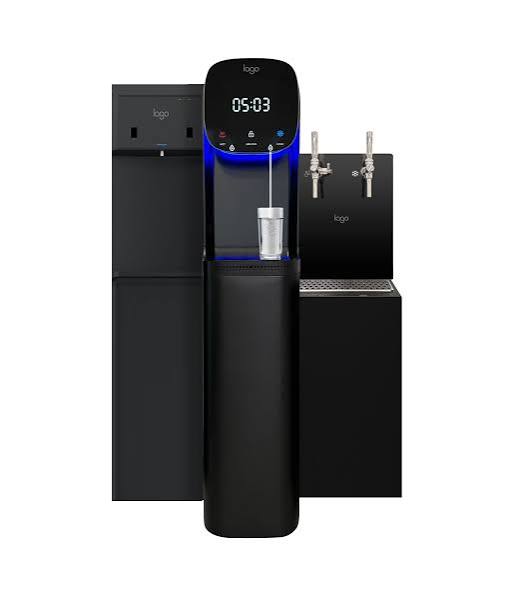
In offices, schools, and shared workplaces, bottleless water dispensers & coolers can offer an alternative to traditional bottled units. These systems connect to a water supply and use compatible filtration components to improve selected aspects of water quality. Depending on the model, they may provide chilled, room-temperature, or hot water for everyday use.
For a workplace with regular foot traffic, convenience can make a noticeable difference. Employees can refill reusable bottles, visitors can get a drink without searching for supplies, and facilities teams may have fewer heavy bottles to handle and store. The arrangement can also reduce the need to manage frequent bottle deliveries, although actual savings depend on usage, installation costs, and maintenance.
There are a few practical details to consider before installation. The unit needs a suitable water connection, enough room for servicing, and access to drainage where required. Filtration cartridges must be replaced according to the manufacturer’s instructions, and the system should be sanitised or serviced as recommended.
A bottleless dispenser doesn’t automatically make every water supply safe. Its filters must be appropriate for the source water and the substances that need to be reduced. If testing identifies a specific concern, verify that the chosen equipment is designed and certified to address it.
Don’t Overlook Hard Water and Scale
Hard water is another common issue in homes and commercial buildings. It contains elevated levels of calcium and magnesium, which can leave deposits on faucets, shower screens, heating elements, and other surfaces. In commercial settings, scale may also affect equipment that regularly heats water.
Traditional water softeners reduce hardness through ion exchange. They can help limit scale formation and improve the way soap performs during cleaning. However, softening is not the same as general filtration or disinfection, so the choice should reflect the actual water conditions.
For larger buildings, treatment capacity becomes particularly important. A system needs to handle the expected demand without causing an inconvenient drop in pressure. Undersized equipment may require frequent regeneration or struggle during periods of heavy use, while an unnecessarily large system can increase the initial cost.
Water testing helps determine whether a softener is appropriate and how it should be sized. It can also prevent homeowners and businesses from purchasing equipment for a problem they don’t actually have.
Maintenance Keeps the System Useful
Installing the right equipment is only part of the job. Filters gradually reach the end of their service life, softeners need routine attention, and dispensers may require cleaning and sanitising. Skipping these tasks can reduce performance and create avoidable service problems.
Keep a record of installation dates, filter changes, inspections, and water-test results. Follow the manufacturer’s schedule, and pay attention if the water develops an unfamiliar taste or odor, pressure changes unexpectedly, or scale returns after treatment.
Businesses should also plan maintenance around their operating hours. Arranging service before a system becomes unreliable can help avoid interruptions during busy periods. For private wells, repeat testing should follow local guidance, with additional checks after flooding, repairs, or noticeable changes in water quality.
A Practical Way Forward
Better water doesn’t necessarily require the most expensive or advanced equipment on the market. It requires a clear understanding of the source, the intended use, and the problem that needs to be addressed.
For a home, that may mean testing a private well or reducing persistent hardness. For a business, it could involve choosing filtration with enough capacity for daily demand or installing a convenient drinking-water station. In every case, verified performance, reasonable operating costs, and consistent maintenance matter.
Take time to compare options and ask questions before making a commitment. A well-chosen system should fit naturally into everyday routines, provide the treatment it promises, and remain manageable over the years. That’s what makes water treatment a practical investment rather than another piece of equipment to worry about.