
Effective dog training strategies play a critical role in shaping a dog’s behavior, confidence, and relationship with people. Training is not simply about teaching commands; it establishes communication, trust, and structure that guide a dog’s daily behavior. When consistent and thoughtful techniques are used, dogs learn faster, develop positive habits, and become well-adjusted companions in both home and public environments.
Many behavioral issues such as excessive barking, leash pulling, jumping on guests, or ignoring commands are not signs of stubbornness. In most cases, these challenges stem from unclear expectations or inconsistent training methods. Applying proven dog training strategies provides dogs with clear guidance while encouraging cooperation and focus.
Structured training improves a dog’s ability to understand commands, respond to cues, and adapt to new environments. With patience, repetition, and the right reinforcement techniques, dogs of all ages can learn appropriate behavior and become more confident members of the household.
Understanding the Importance of Dog Training Strategies
Strong dog training strategies establish the foundation for a balanced relationship between dogs and people. Dogs naturally look for structure within their environment. Training offers that structure by defining boundaries, rewarding positive actions, and discouraging unwanted behavior.
Without clear guidance, dogs often create their own patterns of behavior. This may lead to issues such as chewing furniture, jumping on visitors, or becoming overly reactive during walks. Proper training channels a dog’s energy into productive behavior while improving focus and emotional stability.
Well-trained dogs tend to experience lower stress levels because expectations are clear. Predictable routines and consistent responses help dogs feel secure, which leads to calmer behavior in unfamiliar situations.
Key benefits of effective training include:
- Improved communication between dogs and handlers
- Increased confidence and emotional balance
- Better social behavior around people and other animals
- Reduced anxiety in new environments
- Greater safety during outdoor activities and walks
These advantages demonstrate why thoughtful dog training strategies are essential for long-term success.
Core Dog Training Strategies That Produce Results
Training methods should always focus on clarity, consistency, and positive reinforcement. Modern behavioral research consistently supports reward-based training as the most effective way to encourage lasting behavioral change.
Below are several proven dog training strategies that produce reliable results.
1. Positive Reinforcement Training
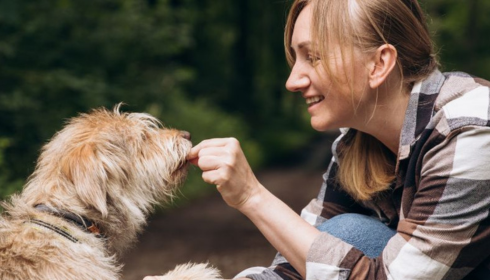
Positive reinforcement encourages dogs to repeat desirable behavior by rewarding them immediately after the action occurs. Rewards may include treats, praise, toys, or affection.
For example, when a dog sits calmly after hearing the “sit” command, providing a reward reinforces the connection between the command and the action. Over time, dogs begin responding automatically because the behavior leads to positive outcomes.
This method strengthens learning while maintaining trust and motivation.
2. Consistency in Commands and Rules
Dogs thrive on predictable routines. One of the most important dog training strategies is maintaining consistency in commands, boundaries, and expectations.
If jumping on visitors is sometimes ignored and sometimes corrected, the dog receives mixed signals. Consistent responses help dogs understand which behaviors are acceptable and which are not.
Every person interacting with the dog should follow the same training approach to avoid confusion.
3. Timing and Immediate Feedback
Timing is critical in training. Rewards or corrections must occur immediately after the behavior so the dog associates the outcome with the action.
Delayed feedback often causes confusion because dogs cannot link the consequence to the earlier behavior. Effective dog training strategies rely on precise timing to strengthen learning.
4. Short and Focused Training Sessions
Dogs learn best in short, engaging training sessions rather than long, repetitive drills. Sessions lasting 5–10 minutes allow dogs to remain attentive and enthusiastic.
Frequent short sessions throughout the day often produce faster progress than occasional long sessions. This structure helps maintain focus while reinforcing skills more effectively.
5. Patience and Repetition
Learning takes time. Even intelligent dogs require repetition to fully understand commands and expectations.
Patient trainers allow dogs to progress gradually while maintaining calm and encouraging feedback. Consistent repetition builds reliability, turning learned commands into instinctive behavior.
Dog Training Strategies for Basic Commands
Basic commands form the foundation of successful dog training. These skills create structure while helping dogs respond reliably in everyday situations.
Essential commands include:
Sit
Teaching a dog to sit is one of the first steps in training. The command encourages calm behavior and can prevent jumping or impulsive actions.
To teach this command:
- Hold a treat near the dog’s nose.
- Slowly move the treat upward so the dog naturally sits.
- Say “sit” as the dog lowers into position.
- Reward immediately when the dog sits.
Repeated practice strengthens the association between the command and the action.
Stay
The “stay” command builds impulse control and helps dogs remain calm in various situations.
Start by asking the dog to sit, then give the “stay” command while stepping back slowly. Reward the dog for maintaining position and gradually increase the distance over time.
Come
A reliable recall command is essential for safety during outdoor activities. The “come” command should always be associated with positive experiences.
Call the dog enthusiastically and reward immediately upon arrival. Avoid using the command for negative situations such as punishment, which can weaken reliability.
These foundational skills represent essential dog training strategies that support long-term behavioral development.
Addressing Common Behavioral Challenges
Even well-trained dogs may develop behavioral issues. Effective dog training strategies provide solutions that address the root cause of the behavior rather than simply suppressing symptoms.
Excessive Barking
Barking often occurs due to boredom, anxiety, or attention-seeking behavior. Training focuses on identifying triggers and teaching alternative responses.
Strategies include:
- Providing regular exercise and mental stimulation
- Redirecting attention using commands
- Rewarding quiet behavior
Consistency gradually reduces unnecessary barking.
Leash Pulling
Leash pulling is one of the most common challenges during walks. Dogs naturally move toward interesting scents and distractions.
Training techniques include stopping immediately when pulling occurs and rewarding calm walking beside the handler. Over time, dogs learn that relaxed walking allows the walk to continue.
Jumping on Guests
Dogs often jump to greet people because it gains attention. Teaching an alternative behavior, such as sitting calmly before greeting, helps eliminate the problem.
Reward the dog only when all four paws remain on the ground.
These solutions highlight how structured dog training strategies transform problem behaviors into positive habits.
The Role of Socialization in Dog Training
Socialization is a critical component of behavioral development. Exposure to different people, animals, sounds, and environments helps dogs develop confidence and adaptability.
Without proper socialization, dogs may become fearful or reactive in unfamiliar situations. Incorporating social experiences into training routines improves emotional stability and reduces stress.
Examples of healthy socialization include:
- Meeting friendly dogs in controlled environments
- Visiting parks or pet-friendly public areas
- Introducing new sounds, surfaces, and objects gradually
When paired with effective dog training strategies, socialization creates well-balanced and adaptable dogs.
Long-Term Success Through Consistent Training
Training should continue throughout a dog’s life. Reinforcement of commands, routines, and behavioral expectations ensures that learned skills remain reliable over time.
Daily activities provide natural opportunities to reinforce training. Asking a dog to sit before meals, remain calm before opening doors, or walk politely on a leash strengthens discipline and responsiveness.
Consistency across environments is equally important. Dogs should respond to commands at home, in parks, and around distractions.
Structured dog training strategies encourage steady progress while strengthening communication and trust.
Why Professional Guidance Can Improve Results
Although many training techniques can be practiced independently, professional guidance often accelerates progress and helps address more complex behavioral challenges.
Experienced trainers understand canine behavior, learning patterns, and communication signals. Their expertise allows them to design customized training plans that address the specific needs of each dog.
Professional programs typically focus on:
- Behavioral assessments
- Customized training plans
- Real-world practice scenarios
- Owner education and skill development
With expert instruction, training becomes more efficient and consistent, leading to faster and more reliable results.
Conclusion
Effective dog training strategies create the foundation for respectful behavior, clear communication, and a strong bond between dogs and people. Training is not limited to teaching commands; it shapes a dog’s confidence, emotional balance, and ability to navigate everyday environments.
Techniques such as positive reinforcement, consistency, clear communication, and patience produce lasting behavioral change. When combined with proper socialization and structured routines, these strategies help dogs become calm, responsive, and well-adjusted companions. Professional guidance from Rob’s Dog Training can also help reinforce these techniques while addressing specific behavioral challenges more effectively.
Long-term success depends on dedication and consistency. Through reliable dog training strategies, dogs of every age and breed can develop positive habits that strengthen trust, improve behavior, and create a more enjoyable relationship for years to come.