
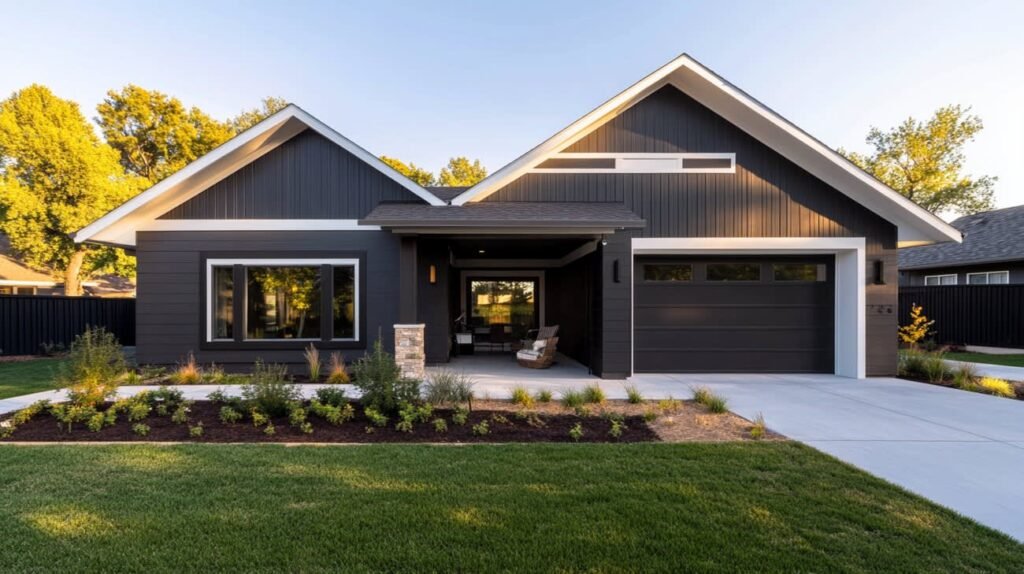
Choosing siding for a home sounds simple until you actually start comparing materials, colors, textures, maintenance needs, and long-term costs. The right siding does more than make a house look attractive. It protects the structure from changing weather, affects curb appeal, and can even influence how much time you spend on maintenance. That’s why fiber cement siding has become such an appealing option for homeowners who want a balance between appearance and performance. It offers the character of traditional materials without demanding quite as much attention. And when you’re planning a renovation, that balance can make a surprisingly big difference.
Why Siding Matters More Than You Think
Siding is one of the first things people notice about a home, but its job goes well beyond appearances. It creates a protective layer between the interior of the house and the elements outside.
Rain, strong sunlight, wind, humidity, and temperature changes can all take a toll on exterior surfaces. Poor-quality or poorly maintained siding may warp, crack, fade, or allow moisture to reach areas where it shouldn’t.
A good siding system helps reduce those concerns while giving homeowners more freedom to shape the personality of their property. Whether the goal is a classic farmhouse appearance, a clean contemporary exterior, or something somewhere in between, today’s siding choices offer plenty of room for creativity.
A Material That Offers Plenty of Design Freedom
One reason homeowners often consider fiber cement is its ability to work with different architectural styles. It can be installed in horizontal lap patterns, vertical panels, shingles, and other profiles, depending on the product and design.
Related reading: Small Changes, Better Water: Simple Ways to Improve Your Home’s Water
That design versatility is useful because no two houses are exactly alike. A coastal-style property may call for a light, relaxed appearance, while a traditional suburban home might look better with a more understated finish. Fiber cement can be adapted to both without making the exterior feel forced.
It can also be combined with other materials. Think fiber cement siding paired with stone around the entryway, wood accents beneath a porch, or darker trim around windows. Small details can completely change the final impression. Sometimes, it’s those little choices that make a renovation feel personal rather than simply “updated.”
The Appeal of Color That Holds Up
Color is another major consideration when selecting exterior siding. Homeowners usually want something that looks good on installation day, of course, but they also want it to remain attractive years later.
This is where products featuring ColorPlus technology can be worth considering. The technology is designed to provide a factory-applied, baked-on finish that helps create a consistent appearance and can offer resistance to common causes of exterior color deterioration.
That matters because repainting an entire home isn’t exactly a weekend project. Sun exposure, moisture, and ordinary wear can gradually affect exterior finishes, so a durable factory finish can reduce some of the maintenance headaches associated with repainting.
Related reading: Better Water Starts With the Right Filtration and Regular Maintenance
Still, color should be chosen with the surroundings in mind. A dramatic shade may look fantastic in a showroom but feel overwhelming on a large exterior. On the other hand, a softer neutral can sometimes make architectural details stand out beautifully. It’s worth looking at samples outdoors, at different times of day, before making the final call.
Durability for Everyday Weather
Homes don’t live in perfect conditions. Siding has to deal with real weather, sometimes year after year.
Fiber cement is known for its durability and resistance to several common exterior concerns. Unlike some materials that can be particularly vulnerable to moisture, fiber cement is designed to withstand demanding outdoor conditions when properly installed and maintained.
One popular option homeowners encounter is James Hardie fiber cement siding, which is widely recognized for combining exterior protection with a broad range of styles and finishes.
Of course, no siding material is completely maintenance-free. Installation quality matters enormously. Proper flashing, clearances, caulking, fastening, and moisture management all contribute to how well an exterior performs over time. A premium product installed incorrectly can still create problems. That’s why choosing experienced professionals is just as important as choosing the material itself.
Related reading: Why the Right Water Treatment System Makes a Bigger Difference
Is Fiber Cement Expensive?
This is one of the first questions homeowners usually ask, and the honest answer is that the initial price can be higher than some basic siding alternatives.
But looking only at installation cost doesn’t tell the whole story.
A home’s exterior should be considered as a long-term investment. If a material requires frequent repainting, repairs, or replacement, the original lower price may not remain so attractive over the years. Fiber cement can offer a useful middle ground for homeowners who are willing to spend more upfront in exchange for durability and appearance.
There are also other expenses to consider, including removal of old siding, repairs to the underlying wall, trim, insulation, labor, permits where applicable, and disposal. Getting a detailed estimate before starting helps prevent unpleasant surprises halfway through the project.
Maintenance Still Matters
Fiber cement is relatively low-maintenance, but “low-maintenance” doesn’t mean “ignore it forever.”
Related reading: When Your Water Smells Different: Understanding the Hidden Causes Behind Unpleasant Odors
A sensible maintenance routine includes checking the siding periodically for damage, keeping surfaces reasonably clean, inspecting caulked joints, and paying attention to areas where water may collect. Gutters and downspouts should also function properly because uncontrolled water can create problems for almost any exterior material.
Trees and shrubs deserve some attention, too. Branches rubbing against siding can cause unnecessary wear, while vegetation growing too close to walls can restrict airflow and retain moisture.
The good news is that routine inspections don’t have to become a major household chore. A quick look around the exterior a few times a year can help catch small problems before they become expensive repairs.
Installation Is a Big Part of the Equation
Even the best siding won’t perform properly if installation is rushed or careless. Fiber cement products have specific handling, cutting, fastening, and clearance requirements. Installers need to understand how the material interacts with windows, doors, roofs, decks, and other parts of the building envelope.
This is especially important around areas exposed to water. Proper flashing and drainage details help direct moisture away from vulnerable points.
Related reading: The Hidden Story Behind Your Tap Water and Why Better Filtration Matters
Before hiring a contractor, ask about previous siding projects, installation practices, warranties, and what is included in the estimate. A good contractor should be comfortable explaining the process rather than brushing off questions. After all, this is your home, not a practice wall.
Making the Right Choice for Your Home
There isn’t one perfect siding material for every property. Climate, architecture, budget, maintenance expectations, and personal taste all matter.
Fiber cement tends to appeal to homeowners who want an exterior that feels substantial and dependable without giving up design options. It can suit older homes that need a fresh exterior as well as new construction where durability is part of the original design plan.
Before committing, look at real homes with similar siding. Drive through nearby neighborhoods. Notice how different colors appear in natural light. Pay attention to trim, roof color, landscaping, and architectural proportions. A siding color rarely exists in isolation.
Most importantly, think beyond the first impression. Your exterior is something you’ll see every day, and it needs to work for your lifestyle as well as your aesthetic preferences.
A Practical Long-Term Investment
Home improvements can be exciting, but they’re also full of decisions that aren’t always obvious at first. Siding is one of those choices where appearance, protection, maintenance, and cost all overlap.
Fiber cement offers a compelling combination of these qualities. Its range of profiles and finishes allows homeowners to create distinctive exteriors, while its durable construction makes it suitable for demanding outdoor conditions. With thoughtful color selection, proper installation, and reasonable maintenance, it can remain an attractive part of a home for many years.
In the end, the best siding isn’t simply the one that looks good in a brochure. It’s the one that fits the house, survives the local weather, suits the homeowner’s budget, and still looks right years after the renovation crew has packed up and left. That’s a much better standard to build a decision around.