You don’t usually notice hard water all at once. It doesn’t knock on the door and announce itself. Instead, it settles in quietly—leaving behind small inconveniences that slowly become part of your routine.
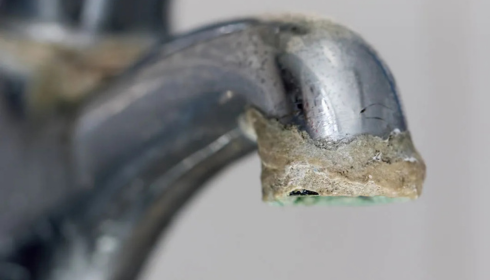
A little residue on the tap. A kettle that needs cleaning more often than you’d like. Towels that feel slightly rough no matter how much detergent you use. At first, it’s easy to ignore. Life goes on.
But over time, those little things start adding up—and once you begin paying attention, you realize your water might be doing more than you thought.
What Hard Water Really Feels Like (Even If You Don’t Know It Yet)
Most people have heard the term, but not everyone understands what it actually means. Hard water simply contains higher levels of minerals—mainly calcium and magnesium. It’s not harmful to drink, but it changes how water behaves.
Soap doesn’t lather properly. Shampoo feels like it never rinses out completely. Even your skin can feel dry or slightly tight after a shower.
These hard water effects aren’t dramatic, but they’re persistent. And because they develop gradually, it’s easy to accept them as normal.
Until you experience something different.
The Everyday Annoyances That Point to a Bigger Issue
Hard water leaves clues everywhere, once you know what to look for.
That chalky film on your glassware? Mineral residue. The white crust forming around your showerhead? Same story. Even your laundry can lose its softness over time, no matter how carefully you wash it.
But these are just the visible signs.
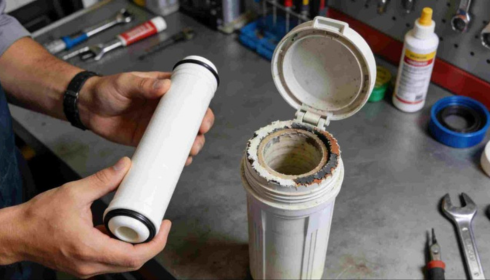
Behind the scenes, minerals are building up inside your pipes, your water heater, your washing machine—places you can’t easily see but rely on every day. It’s a slow process, almost invisible, but it affects performance over time.
Why Scale Buildup Is More Than Just a Cosmetic Problem
The term sounds technical, but it’s actually pretty simple. When mineral-rich water is heated or evaporates, it leaves behind deposits. That’s scale.
And while it might start as a thin layer on your fixtures, it doesn’t stop there.
These scale buildup challenges can reduce water flow, clog components, and make appliances work harder than they should. A water heater, for example, becomes less efficient as scale accumulates inside it. It takes more energy to heat the same amount of water.
It’s not something you notice immediately. But over months and years, it quietly increases wear and tear—and sometimes, your utility bills too.
The Long-Term Impact on Your Home
Hard water isn’t just about comfort. It’s about longevity.
Appliances that rely on water—dishwashers, washing machines, heaters—are all affected by mineral buildup. Over time, this can lead to more frequent repairs or even early replacement.
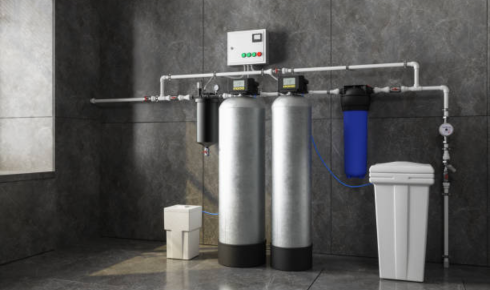
That’s where the idea of appliance protection comes into play. By reducing or managing the minerals in your water, you’re not just improving how things work today—you’re extending the life of the systems you depend on.
It’s a practical benefit that often gets overlooked until something breaks down.
Finding the Right Balance Without Overcomplicating It
If you’ve ever looked into water treatment options, you know how quickly things can feel overwhelming. There are so many systems, technologies, and opinions that it’s easy to lose track of what actually matters.
But here’s a simpler way to think about it: start with your experience.
What bothers you most? Is it the residue on your fixtures? The way your skin feels? The performance of your appliances? These everyday observations can guide you toward the right solution without unnecessary complexity.
You don’t need to fix everything at once. You just need to address what’s actually affecting your home.
What Happens When You Improve Your Water
This is where things get interesting.
When hard water issues are reduced, the changes don’t feel dramatic—but they’re noticeable in the best way. Soap lathers easily. Your skin feels softer after a shower. Glassware comes out clearer, without that cloudy film.
Even your appliances seem to work more efficiently, though you might not immediately connect the dots.
And over time, these improvements become your new normal.
Living With Better Water Feels Surprisingly Natural
One of the most unexpected parts of improving your water is how quickly you stop thinking about it.
At first, you notice everything. The difference in your shower, the way your laundry feels, the absence of constant cleaning. But after a while, those changes fade into the background.
Water becomes what it should be—something that supports your daily life without demanding attention.
And honestly, that’s the goal.
Maintenance: Less of a Burden Than You’d Expect
There’s often hesitation around maintenance, and it’s understandable. No one wants to deal with complicated systems or constant upkeep.
But most water solutions are designed to be simple. A bit of routine care—like replacing filters or checking system settings—is usually all it takes.
It’s not time-consuming, and it doesn’t disrupt your day. In fact, it quickly becomes just another part of taking care of your home.
A Quiet Upgrade That Keeps Paying Off
Unlike some home improvements that lose their appeal over time, better water continues to deliver value.
You’ll likely notice fewer maintenance issues, better performance from your appliances, and a general sense of ease in your daily routines. It’s not flashy, but it’s consistent.
And that consistency matters.
In the End, It’s About Paying Attention
Hard water doesn’t demand your attention—but it does deserve it.
Those small signs you’ve been noticing? They’re not random. They’re part of a bigger picture, one that affects how your home functions and how comfortable it feels.
You don’t need to overthink it. You don’t need the most advanced system available. You just need to recognize what’s happening and take a step toward improving it.
Because when your water feels right—balanced, clean, easy to live with—it changes your home in ways that are subtle but meaningful.
And once you’ve experienced that, even the smallest improvements start to feel like a big deal.