
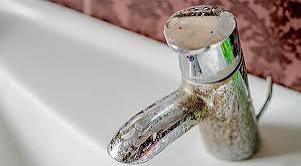
You spend an afternoon cleaning the bathroom, polishing the faucets until they shine, and wiping down the shower doors. A few days later, those stubborn white marks are back. Sound familiar? For many homeowners throughout the Treasure Valley, hard water is an everyday frustration that often goes unnoticed until it starts affecting household routines.
Recognizing the common signs of hard water can help you understand why certain cleaning tasks seem unusually demanding and why some household appliances require more attention than expected.
Fortunately, excessive water hardness is something homeowners can address. With a better understanding of your water supply and suitable treatment equipment, those repetitive household frustrations don’t have to remain a permanent part of life.
What’s Actually Causing Your Water to Become Hard?
Water naturally collects minerals as it moves through underground soil and rock formations. Calcium and magnesium are the primary minerals responsible for water hardness.
Although these minerals don’t generally present a health concern on their own, excessive concentrations can cause practical problems throughout your home.
Hardness levels can vary depending on your water source and local geological conditions. That’s why households in Boise, Meridian, Nampa, and surrounding communities may have different experiences with their tap water.
Some homeowners notice mineral deposits almost immediately, while others gradually become aware of changes in appliance performance or cleaning results.
A hardness test can help determine whether excessive mineral content is contributing to these issues.
Those Stubborn White Marks Aren’t Just a Cleaning Problem
One of the most recognizable symptoms of hard water is scale buildup around faucets, particularly in areas where water frequently evaporates and leaves dissolved minerals behind.
These deposits may also appear on showerheads, glass doors, kettles, and bathroom countertops.
Although suitable cleaning products can remove existing mineral deposits, they don’t change the characteristics of incoming water. That’s why the problem often returns surprisingly quickly.
Over time, mineral accumulation may also restrict water flow through certain fixtures.
If you’re constantly reaching for descaling products, it might be worth investigating your household water quality instead of trying another cleaning method.
Sometimes, addressing the source of a problem is considerably easier than repeatedly dealing with its consequences.
Why Your Soap and Detergent Might Not Be Working Properly
Have you ever wondered why your soap doesn’t lather particularly well or why freshly washed towels sometimes feel rough?
Hardness minerals interact with soap, reducing its effectiveness and contributing to soap residue.
This can affect everything from your morning shower to your weekly laundry routine. Some homeowners compensate by using additional cleaning products without realizing that their water is contributing to the problem.
Appropriate water softening can improve soap performance by reducing dissolved calcium and magnesium.
You may find that certain household chores require less detergent once you’ve adjusted your routine.
It’s one of those small changes that can make a surprisingly noticeable difference over time, especially in a busy family home.
Finding a Water Softener That Actually Suits Your Household
Choosing treatment equipment involves more than purchasing a system with an attractive price tag.
Reliable water softener installation and service can help homeowners select appropriately sized equipment, establish suitable operating settings, and maintain consistent treatment performance.
Traditional softeners use ion exchange to reduce dissolved hardness minerals. Specialized resin captures calcium and magnesium ions while exchanging them for sodium or potassium ions.
The system periodically regenerates to restore its softening capacity.
When selecting equipment, consider measured hardness levels, daily water consumption, peak flow requirements, and available installation space.
A properly sized softener should accommodate your household’s needs without requiring unnecessarily frequent regeneration or creating excessive flow restrictions.
Looking After Your Household Appliances
Water heaters, dishwashers, and washing machines aren’t inexpensive purchases. Naturally, you want them to remain dependable for as long as possible.
Excessive hardness can contribute to mineral accumulation inside certain appliance components, especially those that heat water.
These deposits may interfere with heat transfer and increase maintenance requirements.
Appropriate softening helps limit new scale formation, potentially supporting appliance efficiency and reducing certain mineral-related problems.
Of course, installing treatment equipment won’t automatically repair existing damage or eliminate the need for regular servicing.
Still, preventing additional buildup is a sensible part of protecting your household investments.
It’s often easier to manage a problem gradually than wait until an expensive repair becomes necessary.
Keeping Your Water Softener Working Effectively
Once installed, a water softener needs occasional attention. Traditional systems require salt replenishment, appropriate regeneration settings, and periodic maintenance.
Before purchasing equipment, ask about operating expenses, regeneration water consumption, replacement components, and servicing requirements.
Keeping track of maintenance dates can make these responsibilities easier to manage.
It’s also worth arranging periodic hardness testing to check whether your equipment continues performing as expected.
Remember that water softening isn’t the same as comprehensive drinking water purification. Additional filtration may be necessary if testing identifies other contaminants or water quality concerns.
Making Everyday Life a Little Easier With Softer Water
Living in the Treasure Valley offers plenty of reasons to enjoy your free time rather than spending another weekend scrubbing stubborn mineral deposits.
Addressing excessive water hardness begins with understanding your supply and selecting equipment that genuinely suits your household.
Softer water may bring small but meaningful improvements, from better soap performance to easier bathroom maintenance and fewer new mineral deposits.
Ultimately, a comfortable home isn’t always about expensive renovations or impressive upgrades. Sometimes, it’s simply about removing those everyday frustrations that quietly consume your time and energy.
And if better water means spending less time cleaning and more time doing what you enjoy, that’s certainly an improvement worth considering.