There’s something deeply personal about water at home. It’s not just what you drink. It’s what you cook with, bathe in, wash your kids’ hair with, rinse vegetables under, and fill the dog’s bowl from. It flows quietly through your routines, barely noticed—until something feels off.
Maybe the tap water tastes slightly metallic. Maybe your kettle builds up scale faster than you expected. Maybe you’ve just started thinking more about what goes into your body and your home. Whatever the trigger, the question eventually surfaces: is there a better way to handle water where I live?
The good news is that improving your water doesn’t require turning your house into a science lab. It starts with understanding your options—and choosing solutions that actually fit your lifestyle.
The First Step: Knowing What You’re Working With
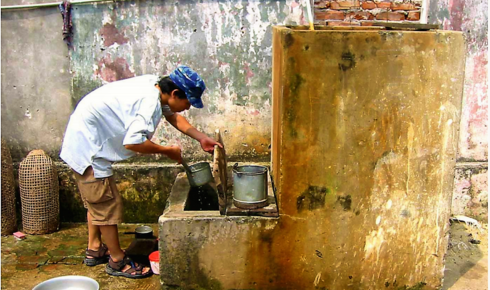
Water isn’t identical everywhere. It changes based on geography, infrastructure, and source. Municipal water goes through treatment plants and distribution systems before reaching your tap. Well water travels directly from underground aquifers.
Some areas deal with hardness—high levels of calcium and magnesium that leave white residue on fixtures. Others notice chlorine taste from disinfectants used in public systems. Some homeowners face sediment, iron, or minor odor issues.
Before jumping into equipment purchases, it’s worth testing your water. A basic analysis can reveal hardness levels, pH, total dissolved solids, and more. Once you know what’s present, decisions become clearer.
You’re no longer guessing. You’re choosing.
Rethinking Water for the Whole House
When people start exploring improvements, they often begin with the kitchen sink. But water interacts with your entire home, not just your glass.
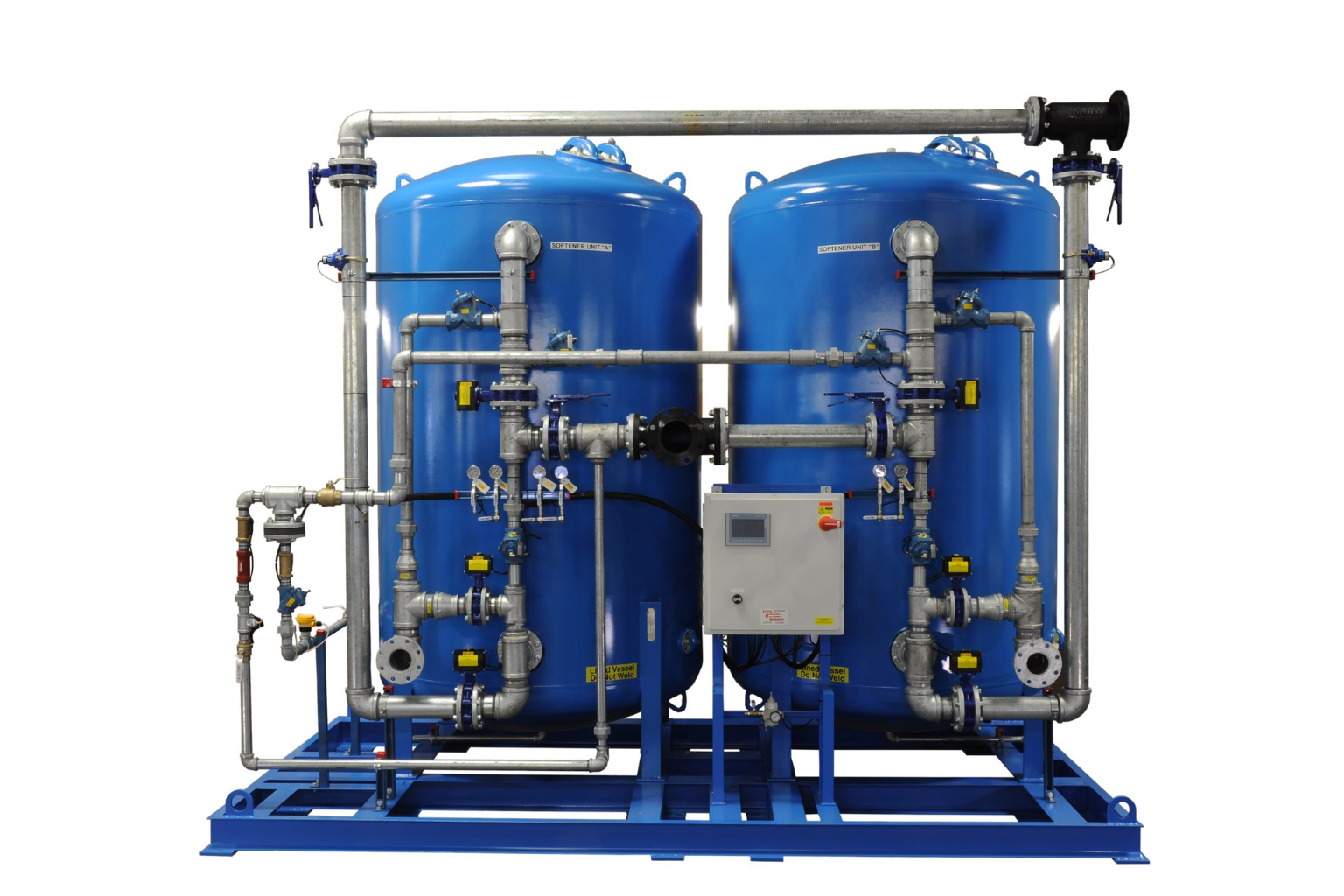
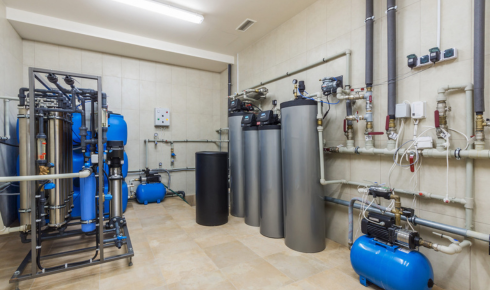
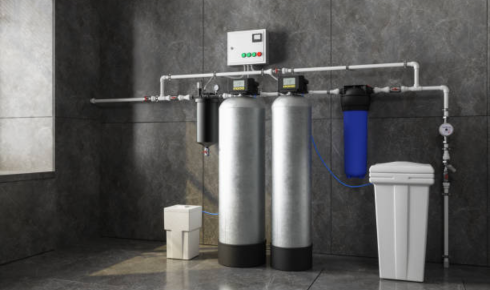
That’s where broader residential solutions come into play. Whole-house filtration systems, softeners, and sediment filters treat water at the point it enters your home. Every shower, faucet, and appliance benefits.
Softened water can reduce scale buildup in pipes and extend appliance lifespan. Sediment filters protect plumbing from debris. Carbon filtration reduces chlorine taste and odor throughout the house.
The difference isn’t flashy—it’s practical. Towels feel softer. Soap lathers more easily. Fixtures stay cleaner longer.
And over time, those small improvements make daily life smoother.
The Importance of What You Actually Drink
Even if your entire home doesn’t require extensive treatment, the water you consume deserves special attention.
That’s where drinking water systems step in.
Under-sink filtration units, reverse osmosis systems, and high-quality carbon filters focus specifically on water used for cooking and drinking. They target taste, odor, and certain dissolved contaminants at a more refined level.
Many families notice that once their drinking water improves, they stop buying bottled water entirely. Coffee tastes better. Ice cubes look clearer. There’s a quiet confidence in filling a glass straight from the tap.
And that confidence matters.
It’s Not About Perfection
One of the biggest misconceptions about water treatment is that you need the most advanced system available to be “safe.”
In reality, most municipal water supplies meet regulatory standards. Treatment systems at home are usually about refinement, not emergency correction.
The goal is to enhance water quality, not to over-engineer it.
That might mean reducing hardness so your plumbing lasts longer. It might mean filtering chlorine for better taste. It might mean installing a simple sediment filter to handle occasional cloudiness.
The right system matches the actual need.
Cost, Value, and Peace of Mind
Let’s talk honestly about investment. Water systems aren’t free. Installation, maintenance, and periodic filter replacement require budgeting.
But consider the hidden costs of untreated water. Appliance repairs from scale buildup. Frequent bottled water purchases. Plumbing maintenance caused by sediment accumulation.
In many cases, a well-chosen system pays for itself over time—both financially and in reduced hassle.
Then there’s the intangible benefit: peace of mind.
When you trust your water, you don’t hesitate before drinking it. You don’t second-guess whether your kids should brush their teeth with it. You don’t notice a faint aftertaste and wonder what it means.
That sense of trust is hard to quantify—but easy to appreciate.
Maintenance Matters More Than Marketing
No matter which system you choose, maintenance plays a critical role.
Filters need replacement. Softeners require salt refills. Systems benefit from occasional inspections.
Ignoring maintenance doesn’t usually cause immediate failure. It slowly reduces effectiveness until you realize something isn’t working the way it should.
Setting reminders or working with a trusted service provider keeps everything running smoothly.
Water treatment isn’t a one-time decision—it’s an ongoing relationship.
A Thoughtful Approach to Everyday Comfort
Improving your home’s water doesn’t need to feel overwhelming. It’s not about chasing trends or installing complex equipment you don’t understand.
It’s about small, thoughtful upgrades that align with your water profile and your daily habits.
Start with testing. Learn what’s present. Choose systems that address actual concerns. Maintain them consistently.
Over time, those choices blend into the background. Water tastes better. Showers feel more comfortable. Appliances perform more efficiently.
And eventually, you stop thinking about it altogether.
Final Thoughts
Water supports nearly every moment of home life. When it works well, it fades into the background—exactly where it belongs.
By choosing residential solutions that fit your needs, investing in reliable drinking water systems, and taking steps to enhance water quality where it matters most, you create a home environment that feels steady and dependable.
Not dramatic. Not complicated.
Just better.