You might not think twice about the water flowing from your shower or kitchen tap. It’s there when you need it. It’s hot when you ask. Cold when you want. Clear as day. No complaints, right?
But here’s the wild thing: the water you’re using every day could be doing silent damage—slowly, steadily, behind the scenes. You don’t always see it happening, but over time? You’ll feel it. In your laundry. Your skin. Your pipes. Your wallet.
That, in a nutshell, is the not-so-fun reality of hard water. It’s more common than you think and left untreated, it messes with more than just your soap lather. So let’s dive in. Why this matters, what’s really going on, and how to actually fix it.
The Hard Truth About Hard Water
Hard water is packed with minerals like calcium and magnesium. Sounds harmless—and it is… in theory. But in practice? These minerals cling to everything. Pipes, faucets, showerheads, washing machines, your skin, your hair… even your glassware.
Over time, this mineral buildup turns into limescale, which clogs your plumbing and coats your appliances like a slow-growing coral reef. Annoying? Very. Expensive? You bet.
So, if you’ve ever had to fight soap scum on your shower walls or noticed white spots on your dishes even after running them through the dishwasher—congrats, you’re living that hard water life.
Now, most folks jump straight to surface-level fixes. Scrubbing. Descaling sprays. Vinegar rinses. But here’s the thing: unless you treat the water itself, you’re just chasing symptoms.
The best way to reduce scale buildup is to stop it at the source—and that means softening the water before it even reaches your fixtures.
Why Your Home Might Be Under Attack (And You Don’t Even Know It)
Let’s talk about what this all means behind the walls.
Your plumbing system, appliances, and hot water heater aren’t built to handle heavy mineral loads. Over time, scale builds up inside those systems, narrowing water flow, creating pressure problems, and forcing your machines to work harder.
The result? Higher energy bills. Shorter appliance lifespans. More frequent maintenance. And that annoying slow-drain issue that keeps coming back no matter how much you plunge or snake the pipes.
The smarter move? Protect plumbing and appliances with a system that softens water at the entry point. When your water is treated before it hits your home’s internal systems, everything downstream works better, longer, and more efficiently. And yeah, that includes your skin and hair, too.
Let’s Talk About Softening (and Why Salt Gets a Bad Rap)
There’s a lot of chatter out there about water softeners—especially when it comes to salt-based ones. Some folks worry about sodium levels. Others think they’re hard to maintain. Truth is, like anything, it’s about choosing the right setup for your needs.
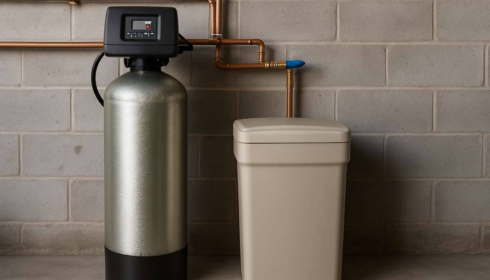
Salt based softeners use ion exchange to remove hardness minerals and replace them with sodium (or sometimes potassium). It sounds complex, but what it means is this: the damaging minerals that cause buildup are pulled out before they ever reach your faucets.
And the sodium? We’re not talking table salt levels here. The amount added to your water is minimal—way less than what you’d get from a slice of bread or a serving of salad dressing. Plus, if you’re worried, a reverse osmosis filter can remove even that.
The payoff? Huge. These systems are tried-and-true, low-maintenance, and incredibly effective at softening your entire water supply. You’ll feel the difference—and see it.
What Soft Water Actually Feels Like
Let’s step away from the science for a second.
When you have soft water, your soap lathers like it’s supposed to. Your shampoo rinses out without leaving a film. Your clothes come out of the laundry softer and less stiff. Your skin doesn’t feel like it’s been rubbed with chalk after a hot shower.
And your kitchen? A dream. No more white spots on dishes or crusty faucet heads. Just clean, clear water that does its job without leaving a mess behind.
It’s one of those changes you don’t realize you needed until you have it. Then suddenly, you’re telling everyone you know about the joys of soft water like you’ve just discovered a hidden superpower.
Okay, So How Hard Is This to Set Up?
Not hard at all, actually.
Most reputable companies will come out, test your water (often for free), and recommend the best system based on your home size, water usage, and mineral levels. Installation usually takes just a few hours. After that? It runs automatically.
All you’ll need to do is add salt pellets every couple of months—less work than refilling a fridge filter or swapping out a showerhead. Some systems even alert you when it’s time.
It’s one of those rare home upgrades that pays for itself quietly, over time—through energy savings, fewer appliance breakdowns, and just… less stress.
Final Drip: Your Water Deserves Better (And So Do You)
You use water for everything—cooking, cleaning, bathing, drinking, laundry. It runs through your entire home like a lifeline. But if that water is working against you, it’s time to take the hint.
Don’t settle for the constant cycle of scrubbing buildup and replacing ruined appliances. Don’t let your pipes slowly clog or your water heater wear itself out. There’s a better way—and it starts with a little knowledge, a simple system, and a desire for your home to run like it should.
Whether you’re looking to reduce scale buildup, protect plumbing and appliances, or just want the silky-smooth luxury of a salt based softener, the solution is clear.