We fill our glasses without a second thought. Wash our veggies, brush our teeth, brew our morning coffee—always assuming the water we use is clean and safe. But here’s the uncomfortable truth: what looks clear and tastes “normal” might still be hiding a mess of contaminants. And sometimes, they’re not just gross—they’re downright dangerous.
We’re talking about the stuff most people don’t even know exists in their water. The invisible invaders that can mess with your health, damage your plumbing, and make everyday tasks feel like a chemical experiment gone wrong. From strange smells to unpronounceable chemicals, let’s dig into what could be going on in your pipes—and what to do if something feels… off.
The Rise of the “Forever Chemicals”
You’ve probably heard whispers about them in news stories or online forums—those infamous forever chemicals that just don’t go away. They’re called PFAS in water, and they’re showing up more often than we’d like.
PFAS (per- and polyfluoroalkyl substances) are synthetic compounds that have been used in everything from nonstick pans to firefighting foam. The problem? They’re incredibly persistent. Once they enter the water supply, they don’t break down easily, and worse—they can build up in your body over time. Think liver issues, hormone disruptions, and even increased cancer risks.
The tricky part is that you can’t see, smell, or taste them. So, unless you’re actively testing your water or your local government is sounding alarms, you might never know they’re there.
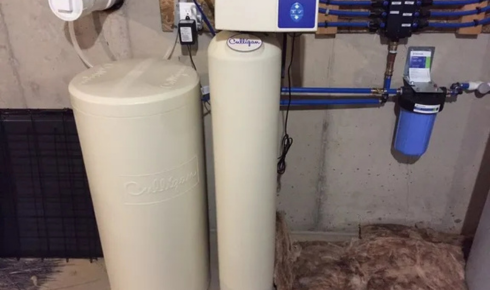
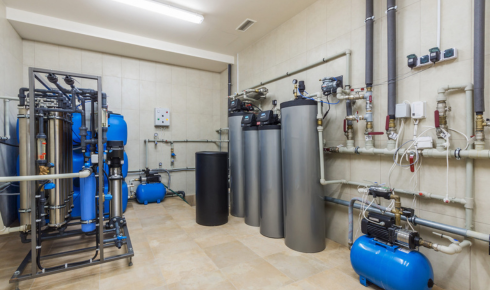
The solution? Advanced filtration systems—like reverse osmosis or activated carbon filters—designed specifically to target these sneaky intruders. Regular water testing helps too, especially if you’re on a private well or live near industrial areas.
That Rotten Egg Smell: Nope, It’s Not in Your Head
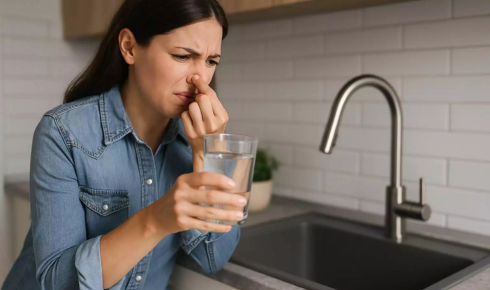
You turn on the tap and suddenly the room smells like… a dozen hard-boiled eggs left out too long? You’re not crazy. You’re likely dealing with smelly sulfur water—more specifically, hydrogen sulfide gas dissolved in your water supply.
It’s one of those unmistakable scents you can’t ignore, and it tends to show up in well water systems, especially when there’s low oxygen and decaying organic matter underground. The result? A sulfurous stink that makes drinking, cooking, and even bathing feel like a chore.
While it’s not usually hazardous in small doses, it is wildly unpleasant and can corrode your plumbing over time. It can also tarnish silverware and stain fixtures—adding even more to your cleaning list.
Solutions range from simple activated carbon filters to aeration systems or oxidizing filters, depending on how strong the sulfur presence is. Trust your nose—if something smells weird, it usually is.
When the Water Itself Is Alive (Yep, It Happens)
We like to think of water as sterile and pure. But sometimes, it’s a breeding ground—especially when it’s untreated or improperly filtered. That’s when bacteria in water becomes a serious concern.
From E. coli to coliforms and Legionella, bacteria can enter the water supply through cracks in pipes, poorly maintained wells, or contaminated sources. And the effects? Everything from stomach cramps and diarrhea to full-blown infections that require medical treatment.
It’s particularly dangerous for children, the elderly, and anyone with a weakened immune system. And just like PFAS, you might not always know it’s there—until it’s too late.
Chlorination, UV purification, and boiling are common methods for bacteria removal. But again, prevention is better than reaction. Testing your water regularly—especially after floods or plumbing repairs—isn’t just smart. It’s essential.
You Deserve Better Than “Just Okay” Water
Too many people settle for water that’s “probably fine.” But would you settle for food that’s “probably not spoiled”? Or air that’s “probably not toxic”? Of course not.
Water is the backbone of your home. It touches nearly everything—your skin, your food, your clothes, your appliances. And when it’s compromised, the ripple effect is enormous.
But the good news? With a little awareness, a bit of testing, and the right filtration setup, you can reclaim control. Whether it’s filtering out PFAS in water, dealing with smelly sulfur water, or safeguarding your family from bacteria in water, solutions exist—and they’re more accessible than ever.
Final Thoughts: Don’t Wait for a Crisis
Most water issues don’t announce themselves with a bang. They sneak in quietly. A strange taste here, a faint odor there. But over time, those signs stack up—and so do the risks.
Instead of waiting for things to get worse (or for your plumbing to throw a tantrum), take action. Get your water tested. Do the research. And choose systems that target the specific contaminants in your area.
It’s not just about fixing a smell or clearing up a stain. It’s about protecting your health, your home, and your peace of mind.