Most of us turn on the tap without thinking twice. The water looks clear. It doesn’t smell strange. It must be fine, right? For the most part, municipal water systems in developed areas do a solid job. They treat, test, and monitor regularly. But “safe” doesn’t always mean “ideal,” and that’s where things get interesting.
Over the past few years, more homeowners have started asking better questions about what’s actually flowing through their pipes. Not in a paranoid way — just in a practical, informed way. Because water touches everything. We drink it, cook with it, wash our vegetables in it. It deserves a second glance.
Aging Infrastructure and Why It Matters
Even if your local water treatment facility meets all federal guidelines, the journey from plant to kitchen sink isn’t always smooth. Much of the plumbing infrastructure in older cities is, well, old. Pipes corrode. Connections loosen. Materials that were once considered safe aren’t necessarily viewed that way anymore.
Take heavy metals, for example. They don’t usually come from the treatment plant itself but from plumbing systems along the way. This is why many homeowners look for filtration systems specifically certified for lead reduction. It’s not about panic; it’s about prevention. Lead exposure, even at low levels over time, has been linked to developmental and neurological issues. That’s enough reason for many families to want an extra layer of protection.
The good news is that modern filtration technologies can significantly reduce lead when properly maintained. But it’s important to look for verified certifications, not just marketing claims. Third-party testing makes all the difference.
Microorganisms You Can’t See
Then there’s the invisible side of water quality — microorganisms. Municipal systems disinfect water to eliminate bacteria and viruses, but certain microscopic organisms can sometimes slip through, particularly in untreated or minimally treated water sources.
This is where cyst reduction becomes relevant. Waterborne parasites like Giardia and Cryptosporidium form protective outer shells — cysts — that make them resistant to standard chlorine treatment. While outbreaks are rare, they do happen, especially after flooding or heavy rainfall.
Filters rated for cyst removal use physical barriers fine enough to trap these organisms before they reach your glass. Again, it’s not about assuming the worst. It’s about understanding that different filtration systems address different concerns.
If you rely on well water, this becomes even more important. Private wells aren’t regulated the same way municipal supplies are, so regular testing and appropriate filtration can be essential.
The Grit You Didn’t Notice
Sometimes the issue isn’t chemical or biological. It’s physical. Tiny particles of sand, rust, or pipe debris can enter water lines, particularly in homes with aging plumbing or after municipal repair work.
You might not always see it in your glass, but you’ll notice it over time in appliances. Faucet aerators clog. Showerheads spray unevenly. Washing machines develop wear patterns.
That’s where sediment control steps in. Sediment filters are often the first stage in a multi-layer system, capturing larger particles before water moves on to more specialized filters. It’s a simple step, but it protects downstream components and improves overall water clarity.
In some ways, sediment filtration is the unsung hero of water treatment. It doesn’t grab headlines, but it quietly prevents a lot of small, irritating problems.
Choosing the Right Filtration Approach
There isn’t a one-size-fits-all solution. What works in one region might be unnecessary in another. That’s why testing is so important. Start with your local water quality report. Many municipalities publish annual Consumer Confidence Reports detailing contaminant levels.
If you’re on well water, consider professional lab testing at least once a year. Knowing what you’re dealing with removes guesswork from the equation.
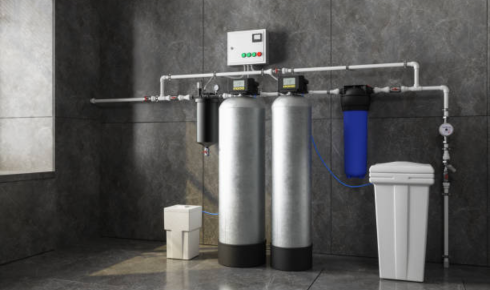
From there, options range from simple faucet-mounted filters to whole-house systems. Some people prefer under-sink units for drinking and cooking water only. Others install comprehensive systems that treat water before it enters the home.
The key is matching the filtration technology to the actual issue. Chasing broad claims without data can lead to overspending or under-protecting.
Maintenance Is Non-Negotiable
Here’s the part that doesn’t get enough attention: even the best filter is only effective if it’s maintained. Cartridges need replacement. Membranes degrade. Ignored systems can become less efficient over time.
It’s not difficult, just something to schedule. Many manufacturers provide recommended timelines based on household size and usage. Some newer systems even include smart indicators to remind you when it’s time for a change.
Neglecting maintenance defeats the purpose. A filter packed with contaminants won’t perform as intended.
Peace of Mind Has Value
At the end of the day, improving water quality isn’t about chasing perfection. It’s about confidence. There’s a quiet reassurance in knowing you’ve taken steps to address potential concerns — whether that’s heavy metals, microorganisms, or sediment.
It doesn’t mean your tap water was unsafe before. It just means you’ve added an extra layer of care.
And when you fill a glass for your child, brew your morning coffee, or cook dinner, that extra layer feels meaningful.
Water is foundational. We can’t live without it, and we use it constantly. Giving it a bit more attention isn’t excessive. It’s sensible.
Because sometimes, the smartest home improvements aren’t the ones you can see — they’re the ones that quietly protect what matters most.